Altcoins for Beginners: What are they and how do they differ from Bitcoin?
Learn all about altcoins and how they differ from Bitcoin. Discover the various types and their unique functionalities.
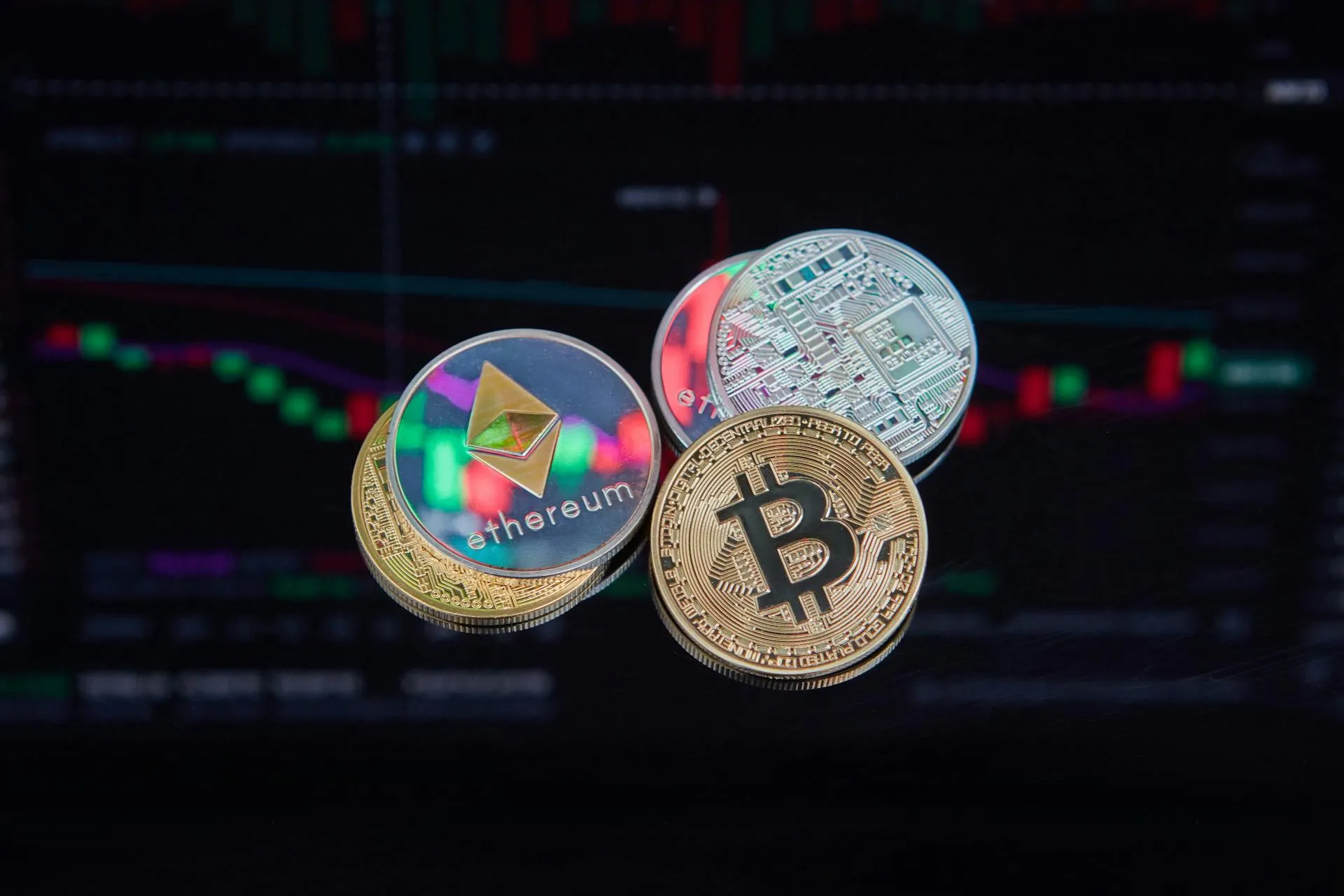
Bitcoin has been around for a while now, but much like the Ramli burger stalls that keep popping up on every corner, other cryptocurrencies have emerged since Bitcoin’s debut. These cryptocurrencies are known as altcoins. While the buzz around Bitcoin still remains, altcoins have emerged as a popular alternative to Bitcoin. But what are altcoins exactly, and what are they used for? In this article, we’ll cover what altcoins are, why they exist, and how do they stack up against the Bitcoin? Let’s dive in!
What are Altcoins?
Altcoins are alternative cryptocurrencies that emerged after Bitcoin. The first altcoin, Namecoin, was introduced in 2011, and since then, thousands of altcoins have been created. While Bitcoin remains the most well-known and widely used cryptocurrency, altcoins offer different features and functionalities that make them unique.
Why do Altcoins Exist?
Some Altcoins are made to improve on Bitcoin’s limitations, such as transaction speed, security, and scalability. Others are created for specific purposes, like enabling smart contracts, providing privacy, or supporting decentralized applications (dApps). In essence, altcoins broaden the scope of what cryptocurrencies can do and how they can be used.
Types of Altcoins
Speaking of, let’s get into the various types of altcoins available and what they do.
1. Stablecoins
Stablecoins are designed to provide stability in the volatile cryptocurrency market, making them useful for trading, transferring value, and as a store of value. Investors use stablecoins to hedge against market volatility, transfer funds quickly and inexpensively, and earn interest through decentralied platforms (DeFi platforms). Examples of stablecoins include Tether (USDT), Binance USD (BUSD), Gemini Dollar (GUSD), and Paxos Standard (PAX).
2. Utility tokens
Utility tokens provide access to a product or service within a specific blockchain ecosystem, such as paying for transaction fees or accessing dApps. Investing in utility tokens like Ethereum can be beneficial if you want to participate in the network’s services, such as staking, voting on proposals, or using dApps built on the platform.
3. Security tokens
Owning security tokens is similar to owning shares in a company. They represent ownership in an asset, company, or revenue stream and are designed to follow regulations to ensure investors everything is done legally and safely. For example, if you own TZROP tokens, you own a piece of the tZERO company. This means you could earn money if the company does well, similar to how owning stock in a company works. You can also buy and sell these tokens on certain platforms.
4. Governance tokens
Governance tokens give holders the ability to participate in the decision-making processes of a decentralized network, allowing them to vote on proposals and changes. Holding governance tokens like Uniswap allows you to have a say in the future direction of the project, potentially influencing key decisions and benefiting from the project’s success.
5. Meme coins
Meme coins are created for fun and community engagement, often lacking a serious purpose and driven by social media and community sentiment. Investing in meme coins like Dogecoin can be highly speculative, but if you time the market right, it can yield significant returns. However, it’s crucial to understand the risks involved due to their high volatility and potential lack of intrinsic value.
Key Differences Between Bitcoin and Altcoins
Purpose and Use Case
Bitcoin was created primarily as a digital currency to enable peer-to-peer transactions without intermediaries like banks. It’s often called “digital gold” because it’s viewed as a store of value. Altcoins, however, often have specialized uses. For example, Ethereum (ETH) is known for its smart contracts, allowing developers to create decentralized applications (dApps), while Ripple (XRP) focuses on fast and cost-effective international payments.
Technology
Bitcoin’s blockchain is designed to be secure and decentralized, but this means it’s slower and less scalable. On the other hand, altcoins, like Ethereum and Ripple, use different technologies to process transactions faster and more efficiently.
Transaction Speed and Fees
Bitcoin transactions can be slower and more expensive because only a limited number of transactions can be processed every 10 minutes. When many people are using Bitcoin, it gets congested, causing delays and higher fees to speed things up. In contrast, many altcoins offer faster and cheaper transactions by using different technologies and consensus mechanisms, making them more efficient for everyday use. For instance, Litecoin and Steller (XLM) which both offer faster and lower cost transactions.
Market Perception and Adoption
Bitcoin is the most well-known and widely used cryptocurrency, often viewed as a safe and reliable choice. In contrast, altcoins offer more variety and innovation, addressing Bitcoin’s limitations like transaction speed and costs, but they can be riskier and less stable.
Should You Invest in Altcoins?
Many investors wonder if they should invest in altcoins. Over the past few years, altcoins have come and gone, while Bitcoin (BTC) remains the “gold” of cryptocurrencies. Some believe that BTC is the only way to go in the crypto universe.
However, there are always two sides to the coin (pun intended). Investors looking to diversify within the crypto market might benefit from altcoins, as they can be more affordable than Bitcoin and offer unique growth opportunities. Nevertheless, it’s important to approach all cryptocurrencies with caution, given their high volatility and significant risks. There are thousands of altcoins on the market, and distinguishing the legitimate ones can be challenging.
The Bottom Line
In a nutshell, Bitcoin and altcoins offer distinct investment opportunities and risks. While Bitcoin remains the leading cryptocurrency, altcoins introduce innovations and solutions to Bitcoin’s limitations, contributing to a more versatile and efficient crypto ecosystem. However, altcoins are generally more volatile compared to Bitcoin. Before investing in either, be sure to do thorough research and read all the fine-print before investing in any cryptocurrency.
Disclaimer: Please note that this information isn’t advice to buy or sell any financial products. We urge you to do your own research or seek professional guidance before making any investment decisions.
Subscribe to our financial newsletter for the latest news, insights, and advice on personal finance, investing, and more. With every email, you’ll gather the confidence and knowledge to make informed decisions to achieve your financial goals.