Bernas Hikes Price for Imported White Rice in Malaysia Amid Rising Food Cost Crisis
Delve deep into Bernas' recent price hike for imported white rice and its potential impact on the Malaysian community.
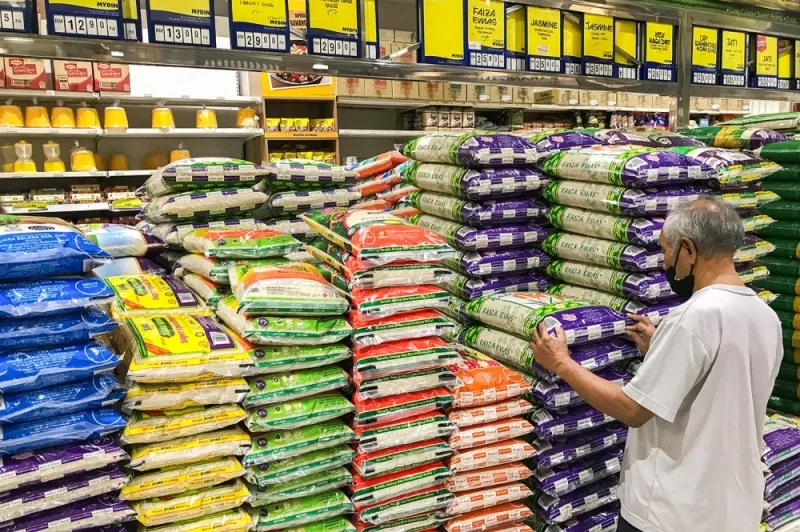
As if we couldn’t already feel the impact of rising food costs, at the start of the month, Bernas announced a price hike for imported white rice where per metric tonne of imported white rice will cost RM3,200 from the previous RM2,350.
This comes after several external factors like climate change, weakening foreign exchange rates, high operational costs, and regional conflicts for the company. This has impacted the global rice trading market and was further compounded by the effect of India’s recent announcement banning the exportation of white rice.
At the same time, we’ve already seen the cost of other food items like chicken, fish and vegetables going up.
-
According to The Malaysian Reserve, ikan kembung (Indian mackerel) is now between RM18 and RM22 per kg, while ikan selar (horse mackerel) went up to RM20 per kg compared to RM16 last year. The prices of prawns and squid also increased compared to last year.
-
As of June 2023, chicken costs RM15.11/kg while just earlier this year in January, it was RM14.33.
-
According to CNA, vegetables like tomatoes, cucumbers and long beans have seen a 50-100% increase in price.
What Does This Mean To Malaysians?
Currently, The Ministry of Agriculture and Food Security is set to meet Bernas and paddy farmers later this week to discuss the issue of rice supply and its prices. And like in the case of our chicken and egg supply problems earlier this year, hopefully, government intervention will take place to ensure the rice cost doesn’t rise too much.
However, if the price of white rice does increase, the most obvious consequence will reflect upon our growingly expensive grocery bills. Not only that, the cost of eating out will also surge as F&B stores would have no choice but to pass on the cost of raw ingredients to customers to sustain their businesses’ long-term viability.
Unfortunately, should a price hike occur, the group that will be hit the hardest would be the hardcore poor and B40 community. On average, this community earns a meagre RM1,849 which is a far cry from the estimated cost of living of RM3,262. So, how will they continue to put food on the table with such a huge discrepancy?
What Can Malaysians Do About It?
1. Embrace the Gig Economy
Platforms like Grab, FoodPanda, or even local initiatives like Troopers can provide you with opportunities to earn supplementary income. While not a long-term solution, they can offer relief amid these times of rising food costs.
2. Budget, Budget, Budget
Regrettably, there’s nothing much we can do to significantly move the needle when it comes to increasing minimum wages in our country. However, the one thing we do have control over is our spending and more importantly, our budget. Use budget-tracking apps to keep track of your spending habits and see how you can save up!
Find out how else you can cut your food budget here!
3. Advocate For Wage Increase
Ultimately, the problem we’re facing is the lack of spending power that stems from the low wages and a high cost of living. One of the most effective ways to change this is to advocate for wage increases whether through signing a petition, rallying on the streets or carrying out your duty to vote during elections.
Subscribe to our financial newsletter for the latest news, insights, and advice on personal finance, investing, and more. With every email, you’ll gather the confidence and knowledge to make informed decisions to achieve your financial goals.