What a $150 Oil Shock Means for Malaysia
Oil has blown past $120 as the Strait of Hormuz shuts. Here is why this supply shock is harder than 2008, and how Malaysia plans to ride it out.
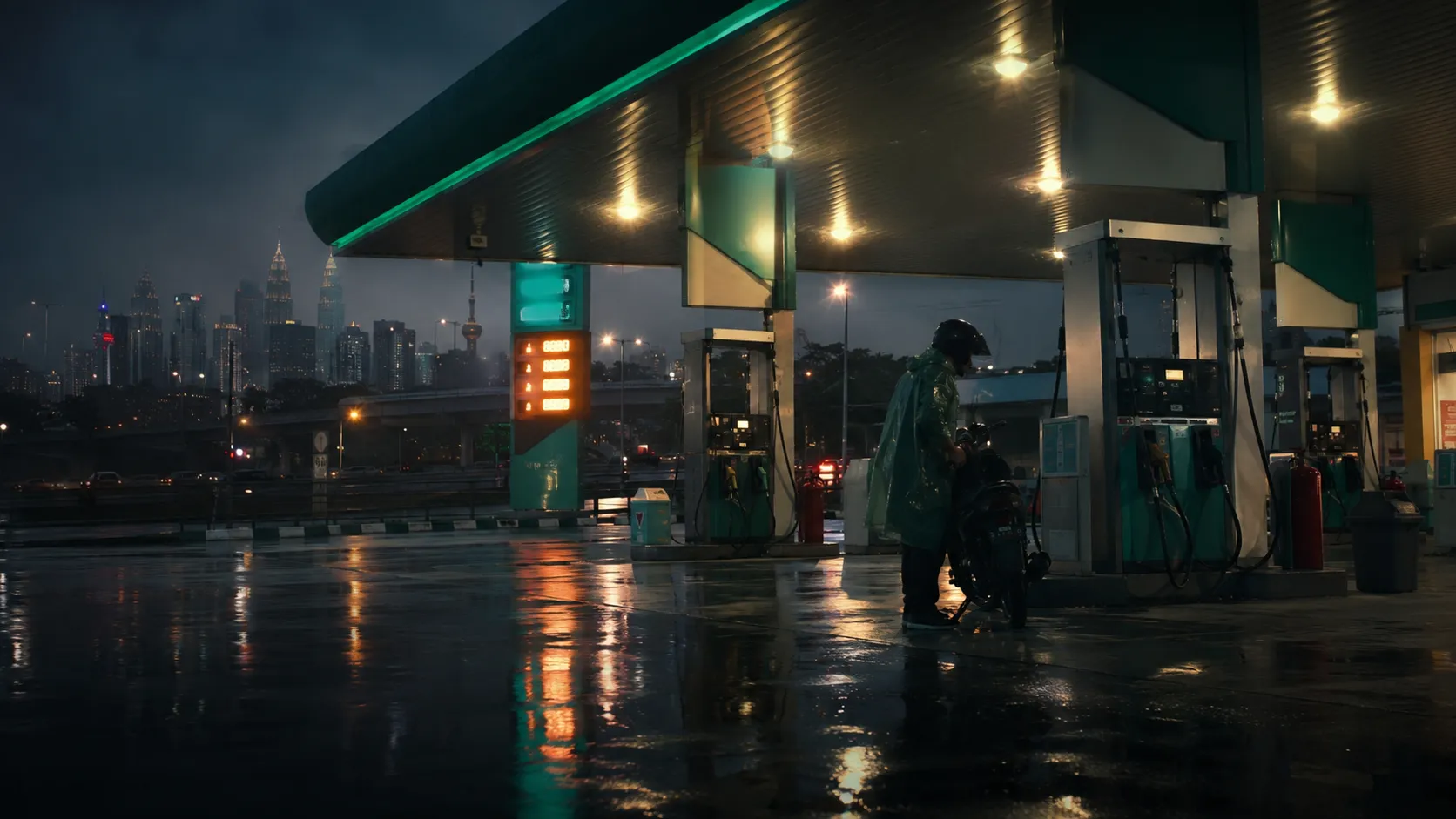
Update, July 2026: This was written in May, near the peak of the crisis. Things have since eased. The US blockade wound down at the start of July, Iranian barrels are moving again, and oil has slipped back toward its pre-war level. What follows reflects where things stood in May, and the lessons on how a supply shock hits Malaysia still hold.
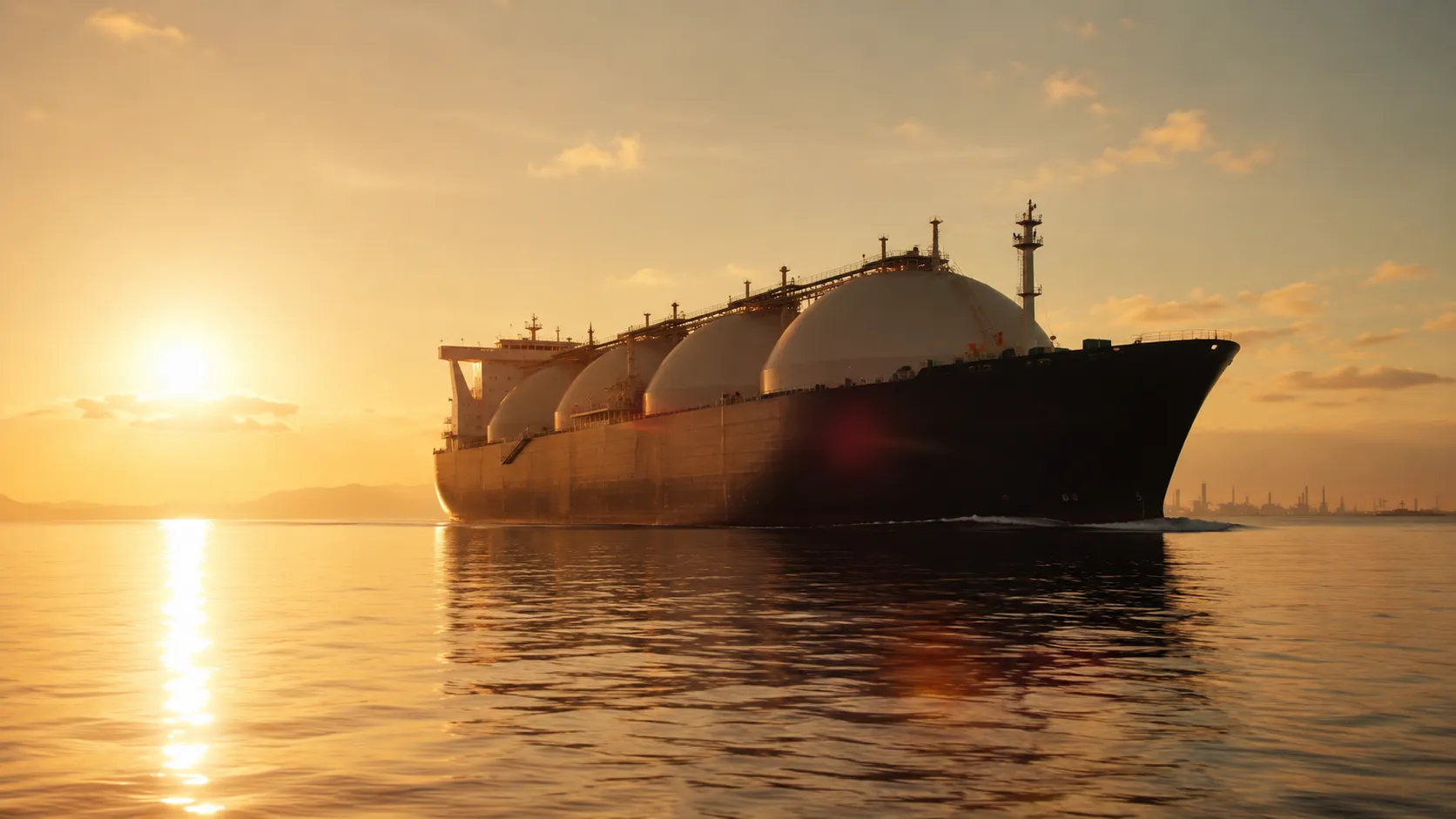
It is the headline every Malaysian driver was dreading. Peace talks in Islamabad collapsed, the United States threw a naval blockade around Iran’s ports, and Iran hit back by shutting the Strait of Hormuz, choking about a fifth of the world’s oil. Crude has surged well past USD120 a barrel, and analysts are now floating USD150, some even USD200. The question is no longer whether a shock is coming. It is how hard it hits Malaysia, and whether the country is ready.
To see what is at stake, go back to the last time oil went vertical.
1. What actually happened in 2008
On 11 July 2008, crude oil hit about USD147 a barrel, the highest price anyone had ever paid. A few months later the global economy hit a wall. Airlines folded, factories went quiet, and the world slid into a recession that shaped the next decade.
The build-up was years in the making. Through the early 2000s, China urbanised at a pace the world had never seen, with tens of millions of people moving into cities every year. Building those cities meant steel, and steel and trucks meant energy, so China soaked up a huge share of the world’s oil-demand growth. Meanwhile the safety cushion that keeps the system calm, the spare capacity producers hold in reserve, had thinned out to almost nothing after conflict in Iraq, unrest in Nigeria and turmoil in Venezuela. Demand was racing, and there was very little slack left.
Then Wall Street poured fuel on it. When the US housing market cracked in 2007, money fled property and piled into oil as a supposed safe haven. A lot of that buying had nothing to do with anyone actually needing the barrels; it was speculation, and it inflated the price well beyond what supply and demand alone justified.
What broke the fever was something economists call demand destruction. Fuel got so expensive that people simply stopped buying. Think of your own life: if a RM15 Grab ride suddenly cost RM200, you would take the bus, carpool, or just stay home. That happened worldwide at once. People cancelled trips, airlines went bankrupt paying for jet fuel, factories shut as logistics ate their margins, and food prices jumped because everything on your table depends on fuel to reach you. Demand vanished so fast that tankers sat idle at sea with nowhere to unload, and in five months oil crashed from USD147 to the low USD30s.
Malaysians felt the sharp end of it too. In June 2008, the Badawi government pushed petrol up by around 41% and diesel by around 63%, close to overnight. By mid-2008 inflation had spiked to about 8.5%, its highest in a decade, protests spilled onto the streets, and by 2009 the country was in a deep slowdown.
2. Why this could be worse than 2008
This shock is different in kind. Shipments through the Strait of Hormuz have collapsed from more than 20 million barrels a day before the crisis to a trickle, and forecasters warn USD150 could be a waypoint rather than a ceiling. It rhymes with 2008, but the mechanics underneath are the opposite.
There is a rough threshold history keeps flagging. Whenever the world spends more than about 5% of its total income just on energy, something tends to snap. Around USD150 oil, you get close to that line, the level where transport, manufacturing and farming can seize up and demand falls off a cliff.
Back in 2008 the crisis was demand-led: China was buying too much. This one runs the other way round. The barrels exist, but the blockade and the closed strait stop them from moving. That matters because a demand shock burns itself out, expensive fuel makes people buy less until prices fall, while a supply shock does not. Telling people to drive less does not put oil back on the water. Producers cannot always pump enough to cover what is stuck, so the price can stay high far longer and do more damage.
For Malaysia, the pressure lands on the fuel subsidy first. Because pump prices here sit below the true market cost, the government covers the gap, and that gap widens as oil climbs. The strain is already showing. In April 2026 the government trimmed the subsidised RON95 quota from 300 litres a month to 200, holding the price at RM1.99 a litre only up to that cap. Every ringgit spent plugging the gap is money not reaching schools, hospitals and roads. Under BUDI95, buy past your quota and you already pay the unsubsidised floating price, around RM2.60 a litre today, and a jump toward USD150 oil would push that number much higher, which is when a full tank starts to genuinely reshape how people drive.
The genuinely dangerous version is stagflation. In 2008, the authorities could cut interest rates to keep money moving. In a supply shock that option is half shut: cut rates into already-high inflation and prices could spiral and the ringgit could weaken further, hold rates high and businesses buckle. Either way something breaks. In an election year, a government also has to weigh keeping fuel cheap now against having enough money left to develop the country later.
3. The Malaysian energy fortress
There is a more hopeful side to this. Malaysia is not a passive passenger in a shock like this, and it has a real playbook to lean on.
The first tool is buffer. Unlike many countries that would have to declare an emergency, Malaysia typically holds enough of key commodities, fuel, fertiliser, industrial gases, to cover the near term while it adjusts. That reserve exists to cover exactly this kind of near-term gap.
The next tool is cutting demand quickly. Moving civil servants to work from home, tightening how much subsidised fuel each person can draw, and clamping down on leakage all trim consumption without waiting for prices to do the rationing. Malaysia has already been shifting RON95 toward targeted subsidies, keeping the subsidised price low for ordinary users while everyone else pays closer to market, which is exactly the kind of lever that gets pulled harder in a crisis. Smuggling is a real drain here too, and measures like GPS tracking on diesel tankers exist to stop subsidised fuel leaking across borders.
Then there is diplomacy, which is where a mid-sized country can punch above its weight. A neutral foreign policy and working relationships across the divides of a conflict can be the difference between your tankers getting waved through and your oil sitting stuck. For a country that needs its tankers to keep arriving, that access matters as much as the price on the screen.
And Malaysia has one structural advantage many oil importers lack: it is the world’s fifth-largest exporter of liquefied natural gas. When energy prices spike, that side of the ledger earns more, which cushions part of what the subsidy bill is bleeding out. The hedge is only partial, and it thins out the longer the shock drags on, but it buys time. While some neighbours are scrambling for fuel, rationing at the pump, or cutting other budgets to pay for energy, Malaysia still has gas to sell.
4. Why stability beats panic
When prices spike, the loudest advice tends to be the worst. In a real squeeze, plenty of voices will stir uncertainty and push for upheaval. Look at it coldly and the thing that gets a country through a supply shock is a steady hand, for reasons that have nothing to do with which party you like.
A stable set of leaders can keep oil flowing through diplomacy, because securing alternative routes and negotiating with producers takes continuity. If the people at the table keep changing, every deal restarts from zero and suppliers do not know who to trust. Stability also keeps public order when the market panics: clear communication and fast, consistent policy are what stop hoarding and panic buying from turning a shortage into chaos. And it protects investor confidence, so the money needed to keep the country’s energy infrastructure running does not flee at the worst possible moment. Put the two together, an oil shortage and a leadership vacuum, and an economic problem can quickly turn into a security one.
None of that is about personalities. It is about continuity, which is what negotiating through an energy crisis actually takes.
5. What it means for your own money
Set the politics aside and bring it down to your own account, because that is where you have control.
In a crisis, cash tends to be king, but cash sitting dead in a current account quietly loses value to inflation. The middle path is to keep your emergency money accessible while parking idle savings somewhere that still earns, so it is ready to deploy if good assets go on sale. Cash-management accounts from brokers such as Moomoo (Cash Plus) or Webull (Moneybull) let idle funds earn a yield while staying liquid, which is the kind of setup that keeps you calm and ready rather than forced. (Those are affiliate links, so Finlit may earn a little at no cost to you; offers and rates change, so check the current terms before you commit.)
On the opportunity side, tight supply tends to lift the companies that produce, trade or hold physical commodities, and a lot of that move often happens before the headlines catch up. The subtler play is the flip side: a fundamentally sound company whose costs spike because of pricier inputs can get sold down to a level that looks unreasonable once the shock passes. Markets reprice fast in a shock, and not always accurately, so patient investors sometimes pick up decent companies cheap. If you want to keep a closer eye on how oil and markets move week to week, a free daily brief like The Coffee Break is an easy habit.
What to actually do with this
A few things worth holding onto, crisis or not:
- Keep a real emergency buffer, enough to cover a few months of essentials, and keep it accessible rather than locked away.
- Do not let idle cash rot in a zero-interest account. Park it somewhere liquid that still earns, so inflation does not quietly eat it.
- Watch your fuel and food budget as the leading edge. Those costs move first and fastest in an energy shock, so they are your early warning.
- Ignore anyone telling you to panic-buy or bail out of everything. Calm and informed beats fast and emotional almost every time.
- If you invest, keep a list of quality companies you would happily own cheaper. A shock is when they occasionally go on sale.
Underneath the drama, the takeaway is calmer than the headline. A supply-led oil shock would genuinely hurt, more than the sticker price at the pump suggests, and 2008 is a reminder of how fast expensive energy can freeze an economy. But Malaysia is not walking into it empty-handed: reserves, targeted subsidies, gas exports and open supply lines are real buffers, and the country has been down a version of this road before. The world may or may not see USD150 oil this year. Either way, the households that come out fine tend to be the ones that prepared quietly while everyone else argued.