Work in Singapore or stay in Malaysia?
Singapore pays about three times the ringgit, so why would anyone stay in Malaysia? Salary is only part of the answer, and the rest never shows on a payslip.
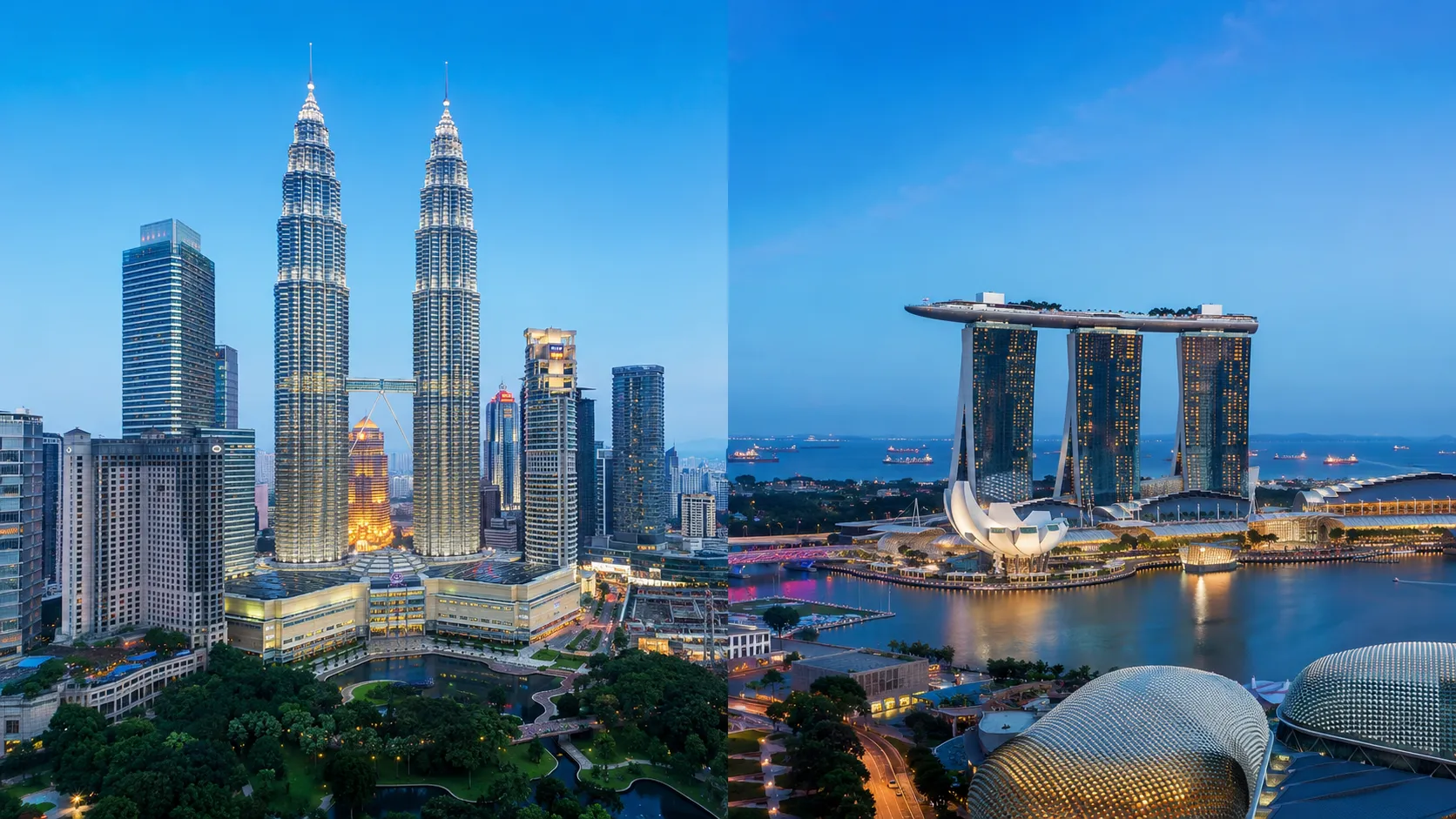
We grow up being told the same thing about the border down south. Cross it, earn Singapore dollars, and you have taken the shortcut to a better life. The money is real. A degree holder in Singapore earns roughly three times what the same person earns in Kuala Lumpur, once you convert it back to ringgit.
So the strange part is how many people who have done the math still choose to stay. Pay settles the easy question and leaves the harder ones about how you actually want to live, and those are worth sitting with before you pack a bag for Johor Bahru.
1. The 3x salary is real, and it tends to keep you there
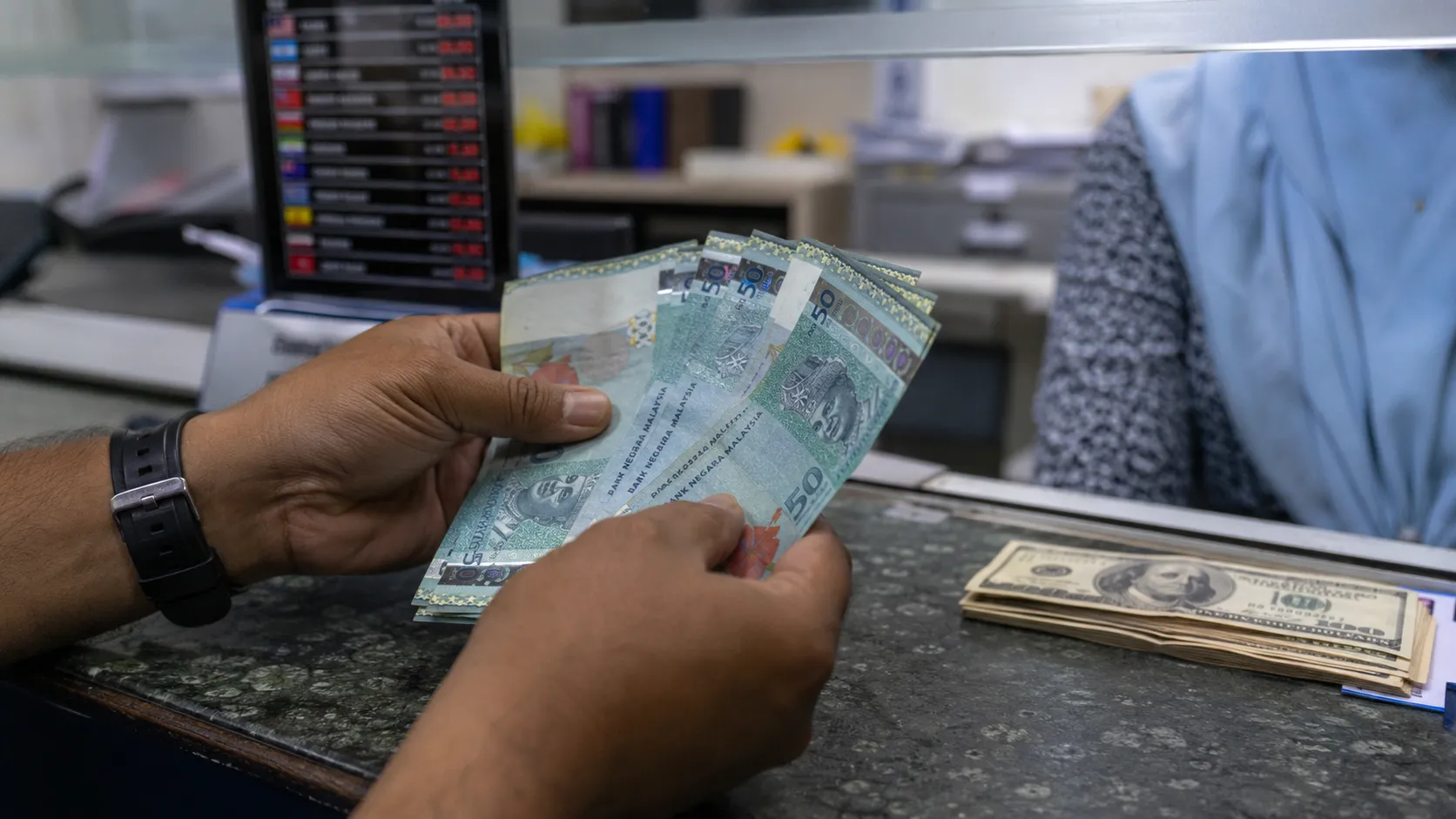
The number is the whole reason anyone considers the move. Salaries in Singapore run dollar for dollar with Malaysia, so a job that pays RM4,000 here pays around SGD 4,000 there. With the Singapore dollar worth roughly 3.4 times the ringgit, that is three times the money the moment you send it home.
A fresh graduate lands around SGD 4,000 to 6,000. Stay in a multinational, keep performing, and SGD 10,000 a month is not unusual after several years. The catch is what that does to the going-home plan. Someone earning the ringgit equivalent of RM45,000 a month is not coming back for a Malaysian role that pays a fifth of it.
That pull is why the well-worn story runs the way it does. Year three, they tell you they will be back soon. Year five, they have a PR. Year ten, they are selling everything here and taking up citizenship. Singapore encourages exactly that, because its birth rate is low and it replaces its workforce by bringing in skilled people, and Malaysians fit the bill almost perfectly. After six or seven good years, many are quietly invited to convert.
2. Singapore opens doors beyond the paycheck
The salary gets the attention, but the exposure matters more. Singapore is where the regional headquarters sit. The Asia-Pacific boss for a lot of Malaysian companies is based there, and plenty of KL staff already report to a Singapore office without thinking about it.
Work inside that hub and the doors open outward. A posting can send you to Hong Kong or further, because you are managing the region from Singapore rather than one market. The names with real offices there tell you the level: JP Morgan, Goldman Sachs, Meta, TikTok. The people are just as international, which is part of why the place feels less like a neighbour and more like a small, dense version of America. For career progression inside a multinational, that reaches further than most people get at home.
3. The cost of living is gentler than the horror stories
The fear here tends to outrun the facts. Accommodation is the pain point everyone quotes, and it is true a room can run close to SGD 1,000 a month near the centre. But a room in the middle of KL costs RM1,000 to RM1,200 for something comparable, and the salary that pays for it is the same dollar-for-dollar figure. Move a little further out in Singapore and a room drops to around SGD 600, with strict rules about cooking and electricity thrown in.
Food follows the same pattern. Chicken rice in the city is about SGD 5 to 6, against RM8 or so here. Commodities can actually be cheaper in Singapore, because milk, gadgets and the like are priced closer to the US dollar and the strong currency does the rest. An iPhone that costs a Malaysian fresh graduate two to three months of salary is closer to a third of a month there.
Cars are the glaring exception, and they are a genuinely strange one. To own a car you buy a Certificate of Entitlement, or COE, alongside it. COE prices swing, and over recent years they have climbed, so some owners have sold a depreciating car for more than they paid because the COE attached to it went up. It is one of the few places on earth where buying a car can end in a profit, which also tells you owning one is a marker of wealth rather than a default. For everyone else, the train covers the island, and going on a date without a car raises no eyebrows the way it might here.
4. The best money move: earn Singapore dollars, live in Malaysia
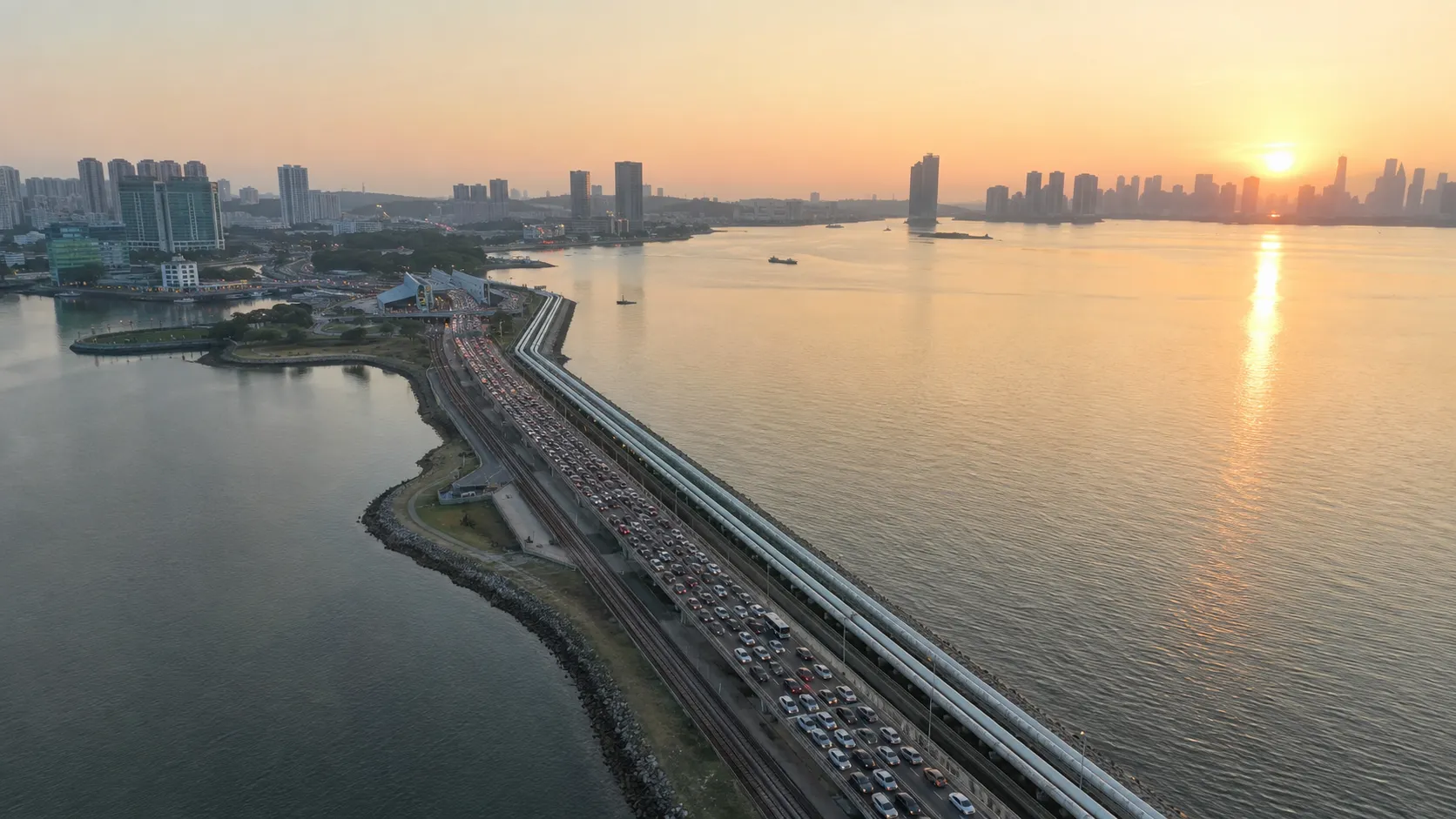
The sharpest money option is not living in Singapore at all. Earn the Singapore salary, spend in ringgit. That is why so many Malaysians wake before dawn in Johor and cross the causeway, and why a few Singaporeans now do the reverse and sleep in JB. With the RTS Link opening, that flow only grows.
It works because the pay gap is nominal while your rent, food and petrol are all in ringgit. The one leak to watch is moving the money itself: converting SGD back to spend at home can quietly cost you on a bad exchange rate. A cross-border account like Wise is built for exactly that kind of transfer, so more of the gap actually reaches your pocket. (Some links here are affiliate links; Finlit may earn a commission at no extra cost to you.)
5. The hidden cost nobody prints on the payslip
The salary comes with pressure attached. Talk to enough people working there and the same word comes up: stressful. You are pushed to work hard whether or not you feel like it, because the person beside you is not slowing down, so you cannot either. Ease off for a while and someone is ready to take your place.
In Malaysia you can still coast a little. The general pace is more relaxed, so a chill week does not leave you badly behind. Singapore does not really allow that setting. Learn a new skill and it feels half outdated by the time you have applied it, and running just to stay level wears you down. None of it shows up on the offer letter, but it stacks up over the years.
6. In Singapore, your identity hangs on your achievement
The part that surprises Malaysians most is social, not financial. At a networking event there, introductions go straight to rank: hi, I am a VP of this company. Ask nothing more and the next person tells you their title, their company, sometimes its valuation. Bring the kids along and they do it too, listing their school, their stream, the club they are president of. It is so normal that nobody notices they are doing it.
Malaysians tend to be more paisae about it. You can meet the biggest milk supplier in the country and he will just say he sells milk, a little reluctant to claim the rest. The Singapore habit points to something underneath: when your identity is pinned to your achievement, a rough patch in your career feels like being worth nothing. That runs deep because the whole system is structured, with a strong sense that the school you get into sets your track, your scholarship odds, even your pay grade later. It makes the place hard to be poor in, which is a genuine strength, and also a high-pressure place to grow up in, the kind of thing a parent thinks twice about before raising kids inside it.
7. What Malaysia’s inefficiency actually buys you
The messiness at home turns out to have a payoff. Because fewer people are pushing flat out, hard work alone can put you in the top slice, where in Singapore everyone works hard and you have to be sharp on top of it. Starting a business is far cheaper here too. You can set up a table and sell nasi lemak downstairs; try that on a Singapore roadside and the rules stop you before you begin. Hiring is cheaper, experiments are cheaper, and the room to try things is wider.
The same slack shows up as balance. Malaysia has among the most public holidays in the world, close to two months a year once you count them, and that inefficiency quietly hands you a life outside work. Singapore’s own people feel the difference, which is why some retire across the border for cheaper golf and cheaper cars, and why a fair number would move their families here if the earning power at home could match. It usually cannot. Staying in Malaysia is partly an emotional call, a bet that the work you put in here still adds up to something you want to stay for.
What to actually do with this
There is no correct country, only the one that fits the life you want. A few questions sort it faster than the salary alone:
- Do the ringgit math first. Three times the pay is real, and if raw earning and international exposure are the priority, Singapore wins that comparison outright.
- Separate nominal from real. If money is the goal, earning Singapore dollars and living in Johor beats living in Singapore on cost, exchange rate leaks aside.
- Be honest about pace. If constant hustle and an achievement-first culture would wear you down, the higher number may not be worth what it costs you.
- Think about who else is in the picture. Raising children inside a high-pressure, heavily structured system is a different decision from moving there alone in your twenties.
- Weigh what you would build. Malaysia’s lower competition and cheap start-up costs reward anyone willing to take a business risk rather than chase a payslip.
It comes down to this. Singapore pays more and asks more of you. Malaysia pays less and leaves you more room. Run the numbers, then be honest about which one you actually want to wake up to.