The Real Issues With Malaysian Education
Uncover the root causes of the decline in Malaysian education, from early childhood to curriculum and infrastructure. Join the conversation on our blog.
The Malaysian education system has once again found itself in the spotlight, but not in a good way. The results revealed by the Education Minister showed that Malaysia’s students performed below average, with over 400,000 students in primary and secondary schools nationwide experiencing learning problems in reading, writing, and counting. This has prompted concern from various quarters, including the Prime Minister, who stressed the need for urgent improvements in STEM subjects and English proficiency.
As a parent, I share these concerns deeply. The quality of education directly impacts the future workforce and the country’s economic prospects. In this article, we’re going to take a brief look at the root causes of the decline in Malaysia’s education.
1. Lack of Investment in Early Childhood Education
Early childhood education is critical for a child’s development, laying the groundwork for future learning and success. Unfortunately, Malaysia faces insufficient investment in this area, leading to substandard early education programmes. Approximately 40% of children aged 4-6 do not attend preschool, and public spending on early childhood education is only about 0.4% of GDP, compared to the OECD average of 0.8%. This lack of funding results in poorly equipped preschools, underpaid and inadequately trained teachers, and limited access for children from lower-income families. The long-term consequences are significant, as children who miss out on quality early education often struggle later in life, affecting their overall educational attainment and future opportunities.
2. Under-qualified Teachers and Inadequate Training
The effectiveness of teachers is crucial for quality education. Many teachers in Malaysia enter the profession without adequate qualifications or receive insufficient ongoing training. Reports indicate that only about 50% of preschool teachers possess the required diploma in Early Childhood Care and Education (ECCE). This gap in professional development leads to ineffective teaching methods and poor student outcomes. Continuous professional development is essential, yet current programmes often fall short of meeting teachers’ needs.
3. Outdated Curriculum and Assessment Methods
The Malaysian education curriculum is often criticised for being outdated and misaligned with the global economy’s demands. It emphasises rote learning over critical thinking, creativity, and problem-solving skills, which are essential in today’s workforce. For instance, the current curriculum places a heavy emphasis on academic achievement, often neglecting character development and soft skills. Assessment methods focus primarily on memorisation rather than understanding and application, resulting in students who are ill-prepared for higher education and the workforce.
4. Lack of Access to New Resources
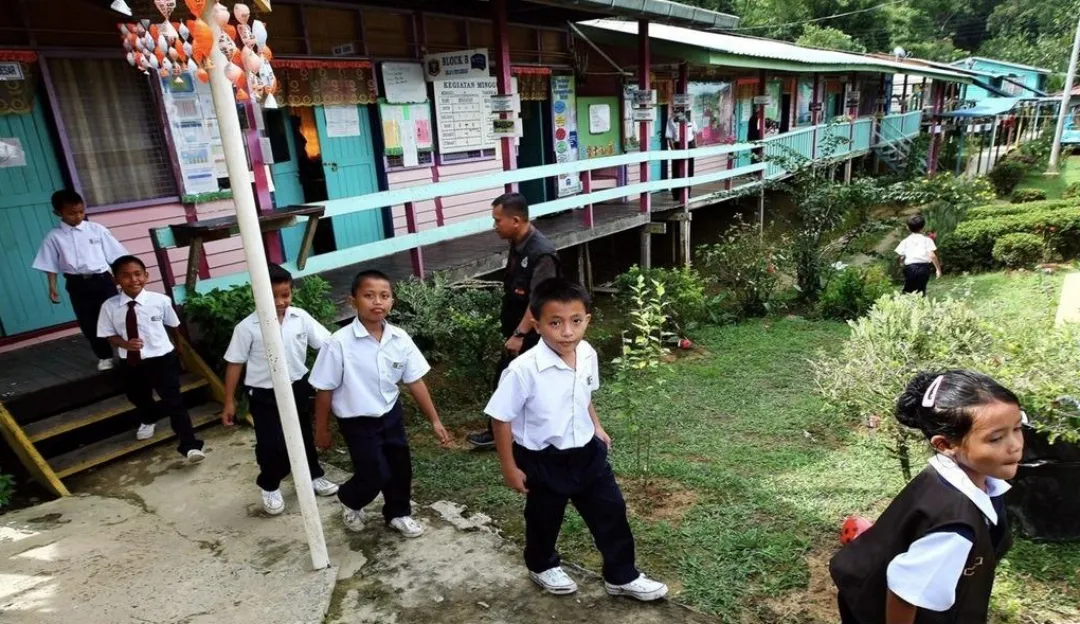
Schools, particularly in rural areas, suffer from poor infrastructure and a lack of essential resources. Many schools lack access to modern technology, adequate facilities, and quality learning materials. This creates an uneven playing field, where students in well-resourced schools have significant advantages over those in under-resourced ones. The disparity in educational resources perpetuates inequalities and hampers the overall development of the education system.
The Bottom Line
As a parent, I want the best for my children and for them to contribute positively to Malaysia’s growth. Our education system needs a comprehensive overhaul, focusing on early education, teacher quality, and practical, skills-based learning. It’s time to move past language debates and address the core issues holding back our education system.
The Education Minister recently stated that education should be a tool for national unity in Malaysia, and I wholeheartedly agree. By focussing on what truly matters—improving the quality of education and fostering a culture of learning and development—we can unite as a nation and ensure a brighter future for our children. Watch my full video here!
Subscribe to our financial newsletter for the latest news, insights, and advice on personal finance, investing, and more. With every email, you’ll gather the confidence and knowledge to make informed decisions to achieve your financial goals.