Trading Strategies: A Smarter Approach to Index Trading
Discover a smarter way to navigate index trading with futures contracts. Gain control and manage risk in the ever-changing market landscape.
Some traders buy and sell major index ETFs to make money, but this approach has its challenges. ETFs are typically long-term investments, and predicting the overall performance of an index can be difficult, especially when it turns into a guessing game about future market trends.
Understanding the Market Context
Before exploring alternative trading strategies, it’s crucial to grasp the current market situation. In 2022, the Federal Reserve (FED) began sharply increasing interest rates, which affected the stock market. Companies with high debt saw their interest expenses rise, hurting profits and stock prices.
The FED raised rates from near zero to over 5% from March 2022 and continued to increase rates until July 2023. Despite these hikes, the market has been surprisingly bullish, with the S&P 500 up 18%, the Dow Jones up 12%, and the NASDAQ up about 28%.

This resilience is unexpected given that the U.S. has relied on low-interest rates since the 2008 financial crisis to boost borrowing and spending. By 2022, the FED recognised the risks of keeping rates low for too long, leading to the recent hikes. This sudden increase made it harder for businesses and individuals to manage debt, usually resulting in lower spending and corporate earnings. Yet, the U.S. economy has continued to grow, defying expectations in one of the strongest bull markets in history.
The Complexity of Today’s Market
Predicting market direction has become increasingly difficult. For instance, the S&P 500 is designed to track the performance of the 500 most valuable companies in the U.S. However, with the rise of artificial intelligence (AI) and the hype surrounding tech companies, a few large companies now dominate the index. This concentration means that if one of these tech giants faces challenges, like Apple recently did when fined $2 billion by the EU, it can drag down the entire index.
Moreover, nobody can predict how long the AI craze will last. When it fades, the dynamics of the S&P 500 could shift, making current knowledge about the index irrelevant.
A Better Way to Trade the Index: Futures Market
Instead of relying on ETFs, traders can look to the futures market. Unlike stocks or ETFs, where you own a security, a futures contract is a legally binding agreement to buy or sell an asset at a predetermined price on a specific date.
Using the S&P 500 as an example, the goal with futures trading is not to analyse all 500 component stocks in the index for the long term. Instead, you focus on predicting the trend of the index over a shorter period, such as 3, 6, or 9 months. This approach is more manageable and allows traders to make informed decisions based on the market’s short-term outlook.
By comparing the price quotes of CME Group’s E-mini or Micro E-mini S&P 500 futures contracts, which expire in the next few months, you can gauge the market’s sentiment. This method is particularly useful when considering potential interest rate cuts in the U.S. or upcoming events like the U.S. election.
The Benefits of Shorting the Index
One advantage of trading futures is the ability to short the index. Shorting allows traders to profit from a market downtrend by selling a futures contract at the current price and buying it back later at a lower price. This strategy offers traders the flexibility to take positions on both sides of the market, depending on their outlook.
Additionally, shorting can be part of a hedging strategy to protect your portfolio. For instance, if you’re confident in the long-term growth of a company like Nvidia but are concerned about the overall market, you can buy Nvidia stock and simultaneously short the S&P 500 index futures. This way, if the market crashes, your short position can offset losses in your portfolio.
However, it’s important to note that hedging is not foolproof. If Nvidia’s stock price falls while the S&P 500 rises, you could face amplified losses.
Gauge Market Sentiment with Futures
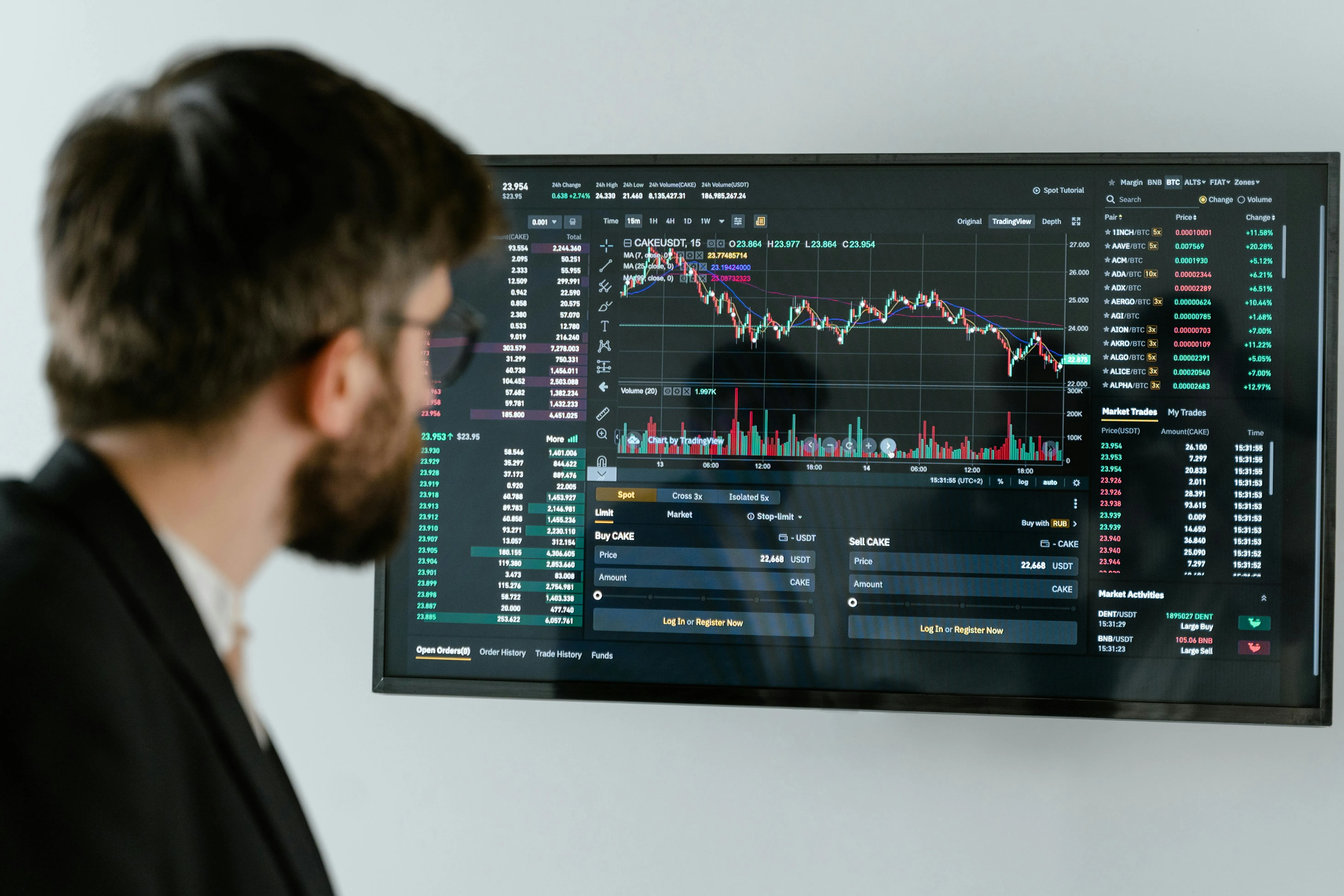
Even if you don’t actively trade futures, keeping an eye on futures prices can provide valuable insights into market sentiment. Since futures contracts reflect traders’ expectations of an asset’s price at a specific future date, observing these price trends can help you make more informed decisions about whether to continue investing or to stay on the sidelines.
Conclusion
In today’s complex market, traditional strategies like trading index ETFs may not always be the most effective approach. By exploring the futures market, you can gain more control over your trading decisions and better manage your risk. Whether you’re new to trading or an experienced investor, understanding how futures work and how they reflect market sentiment can be a powerful tool in your trading arsenal.
Subscribe to our financial newsletter for the latest news, insights, and advice on personal finance, investing, and more. With every email, you’ll gather the confidence and knowledge to make informed decisions to achieve your financial goals.