What Type of Investor are You? A Beginner’s Guide to Investment Styles
Discover your investment style and risk appetite with our beginner's guide to different investment styles. Find the best strategy for your financial goals.

Have you ever dealt with analysis paralysis? It’s where we get overwhelmed with too many choices. From deciding what to wear in the morning to picking a place to makan, our lives are full of decisions. Investing is no different. Knowing your investment style can simplify your decision-making process and help you stay committed to your investment plan. In this article, we’ll explore the different types of investors, so you’ll have a clearer idea of which investment style suits you best.
Let’s talk about your risk appetite
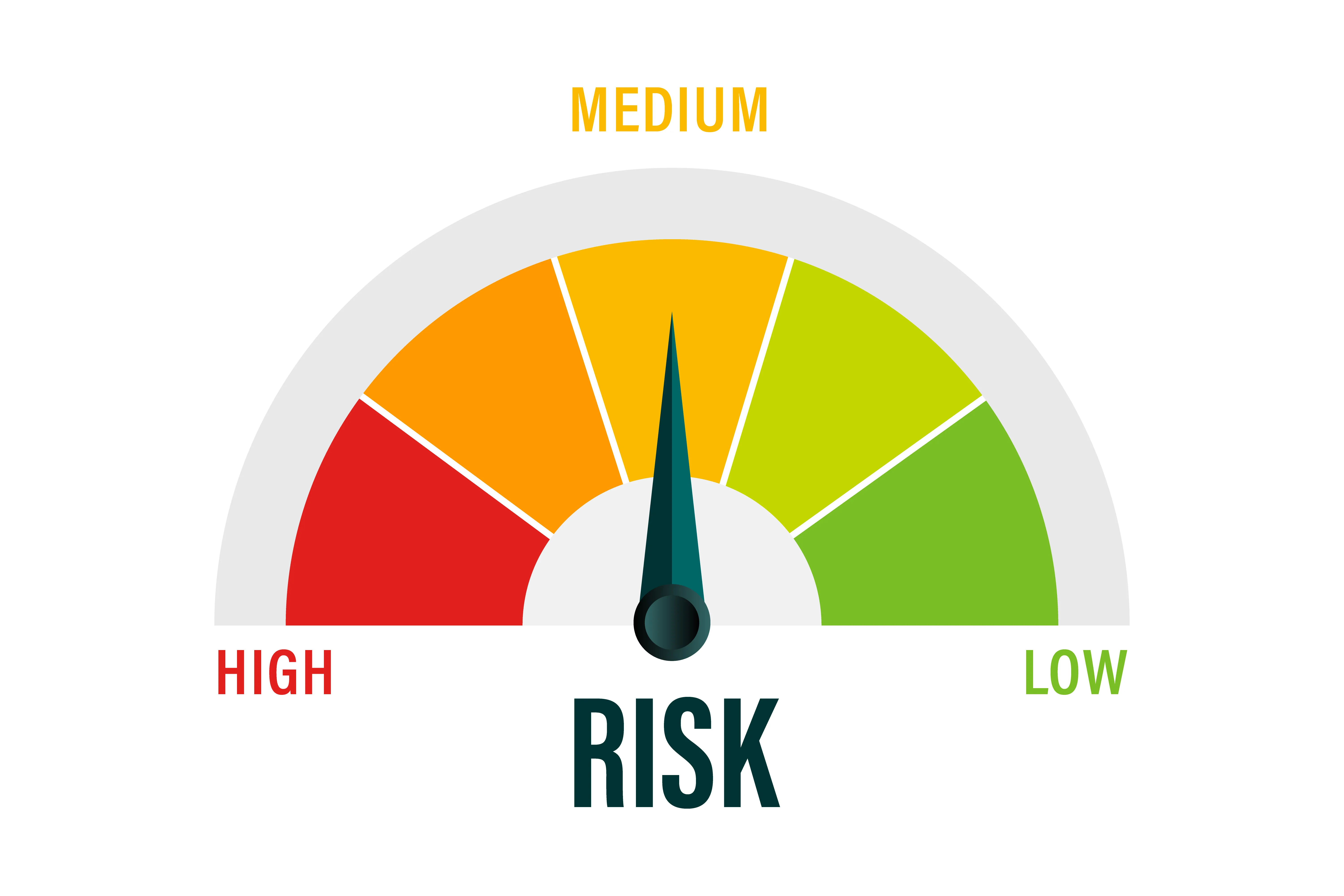
Your investment style is closely tied to your risk appetite. Risk appetite is the amount of risk an investor is willing to take in order to achieve a specific financial goal. It reflects the amount of risk you’re willing to take to achieve your financial goals.
Identifying your risk appetite involves assessing your financial goals, risk tolerance, and time horizon. Understanding these factors will help you determine your investment style.
| Risk Level | Characteristics |
|---|---|
| Low | You prioritise safety and predictability with your investments. You’re comfortable with slow and steady growth and prefer to focus on preserving your capital. |
| Medium | You’re looking for higher potential returns than you would with low risk investments. Under normal market conditions, you’re willing to take the risk moderately over a medium to long-term period. |
| High | You understand the possibility of experiencing losses but are comfortable with the potential for higher gains. |
| Very High | Your primary focus is on maximising potential returns, even if it means facing the possibility of substantial losses. |
Some questions you can ask yourself to determine your risk appetite include:
-
What am I investing for? (e.g., Retirement, buying a home, children’s education)
-
When will I need the money? (e.g., In 5 years, 10 years, 30 years - here’s a cheat sheet on how you can do this)
-
What is my expected return on investment? (e.g., Do I want to preserve capital, or am I aiming for high growth?)
-
How much money do I need to reach my financial goals? (e.g., Do I need RM500,000 for a home down payment?)
How much can I comfortably invest regularly? (e.g., Monthly or annually?)
Identifying your risk appetite will guide you in mapping out your investment journey and making informed decisions that align with your financial goals.
Now that you know what your risk appetite is,** **let’s find out what type of investor you are.

1. Conservative Investors
Conservative investors take a passive approach to investing. Generally, they prioritize preserving their purchasing power and have a low to medium risk appetite. They’re all about stability and they aren’t keen on taking big risks.
A conservative investor’s portfolio will consist primarily of low-risk investment funds such as MMFs, that are short-term and have high liquidity, and a small portion dedicated to safe bets, such as government bonds and blue-chip stocks.
The benefit here is stability and a lower risk of capital loss to protect against inflation. However, the returns might be lower than in an aggressive portfolio.
2. Moderate Investors
Moderate investors strike a balance between risk and reward. These investors have a “balanced” strategy, their goal is to weigh opportunities and can tolerate some risks for higher growth.
A moderate investor’s portfolio might have a 50/50 or 60/40 structure that usually features a mix of asset classes like stocks, bonds, and REITs. Cryptocurrencies might be a smaller part of their portfolio compared to more aggressive investors.
This balanced approach provides a mix of risk and return, with moderate growth potential, but market fluctuations can still affect returns. Moderate investors can reduce volatility by diversifying their assets and spreading them across a range of stable investments.
(Note: Examples mentioned may not be suitable for everyone and is presented for educational purposes only. )
3. Aggressive Investors
Aggressive investors are investors who prioritise maximum returns. They have high risk appetites and are willing to accept higher risk for higher potential returns. These investors take on an active approach to investing. They like to use a variety of tactical investment strategies, combined with analyst insights, to beat the market and potentially outperform their passive investor counterparts.
Depending on their goals, an aggressive investor’s portfolio is dominated by volatile assets such as growth stocks, value stocks, or high-yield investments. Additionally, they may opt for a combination of stocks in emerging markets like biotech and AI.
Typically, an aggressive investor’s portfolio includes 80-100% in riskier investments like stocks, with maybe 0-20% in low risk investments.
The potential for high returns is great, but the trade-off is a higher risk of significant losses and more volatility. You might need to rebalance your assets more often to maintain your target allocation. This frequent rebalancing can result in higher fees, which may reduce your investment returns.
The Bottom Line
Figuring out your investor type is crucial for mapping out an investment strategy that aligns with your financial goals, risk tolerance, and time horizon. Whether you’re conservative, moderate, or aggressive, there is no one-size-fits-all strategy. The best investment style for you is the one that allows you to accomplish your goals without sacrificing additional risks. Remember, regardless of which investment style you prefer, diversification is key. Spread your investments across different assets to balance risk and reward. Please keep in mind that the information provided is not intended to be considered official financial advice. Before making any investment decisions, we at Mr Money TV recommend that you conduct your own research or seek professional advice.
Subscribe to our financial newsletter for the latest news, insights, and advice on personal finance, investing, and more. With every email, you’ll gather the confidence and knowledge to make informed decisions to achieve your financial goals.