The Hidden Cost of a Hotter Malaysia
A hotter Malaysia is quietly draining your money: pricier groceries, water cuts, lost work hours and homes you cannot resell. Here is the real bill.
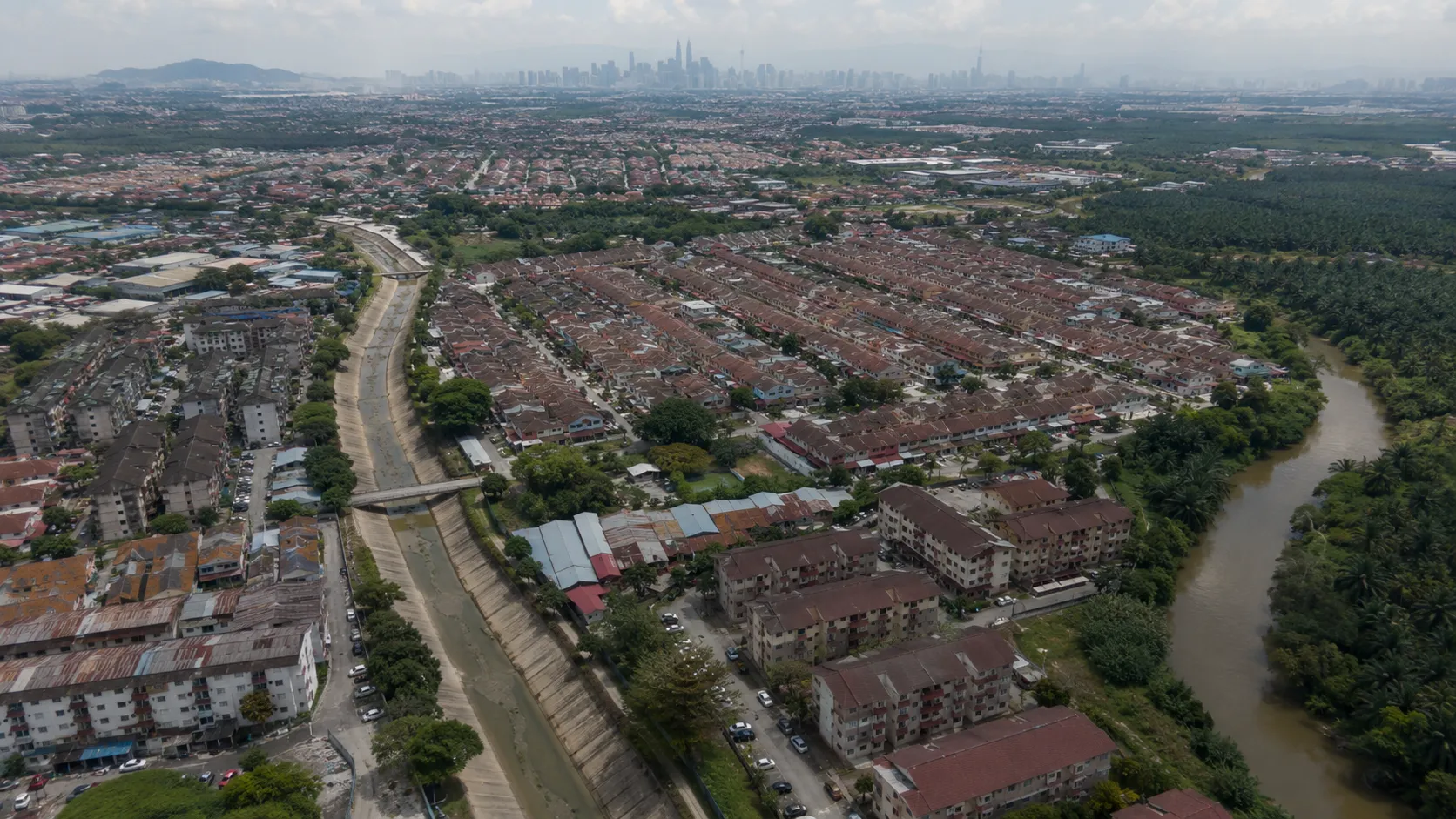
You notice the heat when you walk to your car. What you do not notice is the money it is quietly taking from you, in places nobody thinks to connect to the weather.
Most Malaysians file climate change under distant problems: polar ice, faraway floods, something for the next generation to sort out. The uncomfortable part is closer to home. A hotter Malaysia is already showing up in the price of your kangkung, in the hours an outdoor worker can safely put in, in the reliability of your tap, and in the resale value of the house you spent a decade paying off. To trace how, Mr Money TV sat down with Dr Renard Siew.

Dr Renard Siew is a civil and environmental engineer with a PhD in sustainability, and he has spent his career on exactly this question. His answer to how climate reaches your wallet is blunt: anything we do to the environment comes back to affect us, usually as a number on a bill. Most people never connect a hot afternoon to their own finances. It shows up in five places.
1. Heat eats the hours you get paid for
Start with the people who earn their living outdoors. A Grab rider doing round trips in the afternoon sun, a construction crew on a seven or eight hour shift, both are absorbing heat their body then has to fight off. A healthy body sits around 36.9°C, and even a single degree above that is a fever. Now picture working a full day in a country running two degrees hotter than it should. Output drops, and so does the income that depends on it.
This is the part most people wave off as just heat stress. At a national scale it drags on productivity and on business profit, and for anyone paid by the trip or the hour, it is money that simply never gets earned. On any single day the loss is small enough to ignore, so most people never account for it.
2. Your grocery bill is climbing for a reason
Food is where the maths gets hard to ignore. Every one degree of warming knocks roughly 2% to 3% off the yield of major staple crops, wheat, corn, maize, on a global basis. At the same time the population keeps climbing, so demand rises while each hectare gives back less.
Malaysian farmers are already living a double-whammy. Crops and livestock get hit by severe floods, then a few months later comes a stretch of heat too harsh to plant in. The extreme events land almost back to back, in both the northern and southern states of the Peninsula. When supply falls and demand holds, it turns up at the wet market. Your kangkung costs more, and it keeps costing more.
None of this is a forecast. Back in the 1950s, extreme weather events covered about 1% of the Earth’s surface. By the 2000s that figure was closer to 14%, roughly fourteen times more ground. The highest temperature on record now sits around 53 to 54°C, and it has been broken almost year on year.
3. Water disruption is a cost you never see coming
Water feels free right up until it stops coming out of the tap. In Selangor, dams that once filled reliably no longer do, because rainfall has become scattered and harder to predict. You build a dam where the rain used to fall, the rain shifts, and the dam sits half empty. In parts of our urban areas people now turn on the tap in the 21st century and get nothing, then spend three or four days buying bottled water just to get through a disruption.
Part of the problem is us. Malaysians use around 143 to 150 litres of water per person a day, roughly 20% to 30% more than our neighbours. Spread that across 33 million people and small daily habits add up to a real strain. Each household assumes its own usage is too small to matter, even though the total is what strains the supply.
4. The flood risk that wrecks a home’s value
For most people the biggest number in their life is the house, and this is where a warming climate does the most financial damage. Buyers used to weigh location purely on convenience: how close to groceries, to transport, to the highway. There is a newer question now, whether the place will be under water in the next ten to fifteen years.
It is not hypothetical. In December 2021, serious rainfall around Hulu Langat cut off roads and highways completely. If you live in a flood hotspot, that means no way to reach food, no way to get someone to a hospital, and a house that fills with mud and sewage when the water rises. People in these areas learn to keep electronics off the ground floor because they know the next flood is coming.
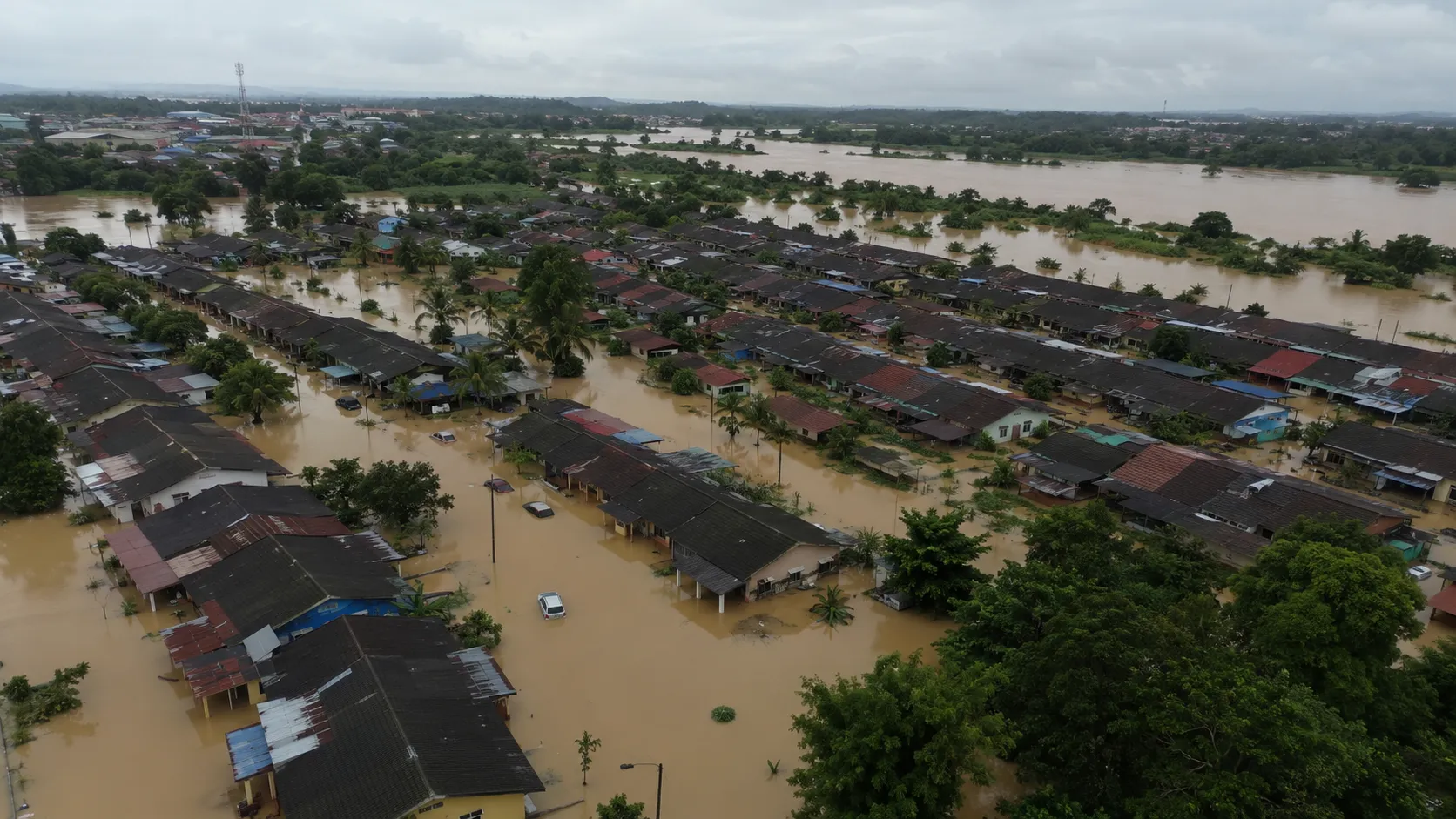
The real trap is resale. A home in a known flood zone is hard to sell, so an owner who sank half their savings into it cannot easily move on. A wealthier buyer shrugs and relocates. Someone who stretched for their dream home is stuck, cleaning out sewage every couple of years and watching the value stay flat.
You can check before you buy. Platforms like the World Resources Institute’s compile years of rainfall and flood data and rate an area from high to low risk. Overlay the postcode of a property you are considering and you get a rough read on its flood and drought exposure. Developers have used reports like these for years, while most homebuyers do not know the tools are free to use.
5. Who pays, and why it is not equal
There is an uncomfortable pattern running through all of this. The people hit hardest are usually the ones with the least room to escape. Floods wash through lower-income and rural communities first, damage what little they have, and leave them cleaning up while better-off households just buy somewhere safer.
Malaysians reach for the phrase act of God when a flood or drought hits. The science says otherwise. The IPCC, backed by hundreds of scientists, is clear that this warming is man-made. If people caused it, people can shape it, and that is where adaptation comes in. For years the focus was mitigation, cutting emissions to slow the warming down. The harder truth is that some warming is already locked in, so the question shifts to how we live with it: flood buffer zones near rivers, cities built to catch rainfall the way Singapore does, homes planned around water risk instead of convenience alone.
Trees do more of this work than people give them credit for. Their roots bind soil together and slow erosion and landslides, their canopy softens the rate rainfall hits the ground, and they cool the concrete heat of a city while pulling carbon out of the air. When they are cleared for a quick development, that protection goes with them.
What to actually do with this
You cannot fix the climate from your own budget, but you can stop it quietly draining that budget:
- Before you buy a home, check its flood and drought risk by postcode, and remember that a flood-zone property stays a resale problem long after the rainy season ends.
- Budget for climate as a real line item: pricier fresh food, the occasional water disruption, higher cooling bills in a hotter year.
- Cut your own water use. Sitting 20% to 30% above your neighbours means there is easy slack, and it is one of the few levers fully in your hands.
- If you work outdoors or employ people who do, take heat seriously. Shade, hydration and shifting hard work away from the worst hours protect both health and output.
- Weigh greener choices on cost, not virtue. A greener building or an EV often pays back through lower running costs, fewer sick days and smaller energy bills.
Put the pieces together and climate stops being a distant cause and starts reading like a set of line items on your own budget: the food, the water, the house, the hours you can work. Dr Renard Siew’s framing is that anything we do to the environment comes back to us, and more and more it comes back priced. Malaysia is edging toward a carbon tax that would finally attach a number to pollution, on the simple logic that people ignore what they are never charged for. Until it lands, the cost has not disappeared. It is just spread across your grocery receipts, your water bill and the value of your home.