The Tabung Haji RCI report, explained
Tabung Haji told depositors it made RM3.4 billion in 2017. The RCI found a RM1.4 billion loss. A breakdown of the accounting moves that produced the gap.
In 2017 Tabung Haji told its depositors it had made RM3.4 billion, and paid out on the strength of it. The Royal Commission of Inquiry has now put the real figure at a RM1.4 billion loss.
That is a gap of RM4.8 billion in one financial year, and nobody stole it. A handful of accounting decisions produced it, each one signed off by somebody. The report was finished in 2022 and sat classified until 29 July 2026, so the arguments about it are only starting now. The mechanics are worth understanding even if you have never had a sen in Tabung Haji.
1. The RM4.8 billion gap
The RCI was chaired by former chief justice Tun Md Raus Sharif, with six commissioners including RHB founder Abdul Rashid Hussain, and it covered TH between 2014 and 2020. The central finding is a single sentence: apply Malaysian Financial Reporting Standards in full to the 2017 accounts and the reported RM3.4 billion profit becomes a RM1.4 billion loss.
Worse, 2017 was not the first bad year. The commission found TH had been running an asset-liability deficit since 2014, meaning it owed depositors more than its assets were worth. That has a legal consequence. Section 22 of the Tabung Haji Act 1995 permits a hibah payout only where there is distributable profit and assets exceed liabilities. For four straight years the condition was not met and the payout went ahead anyway.
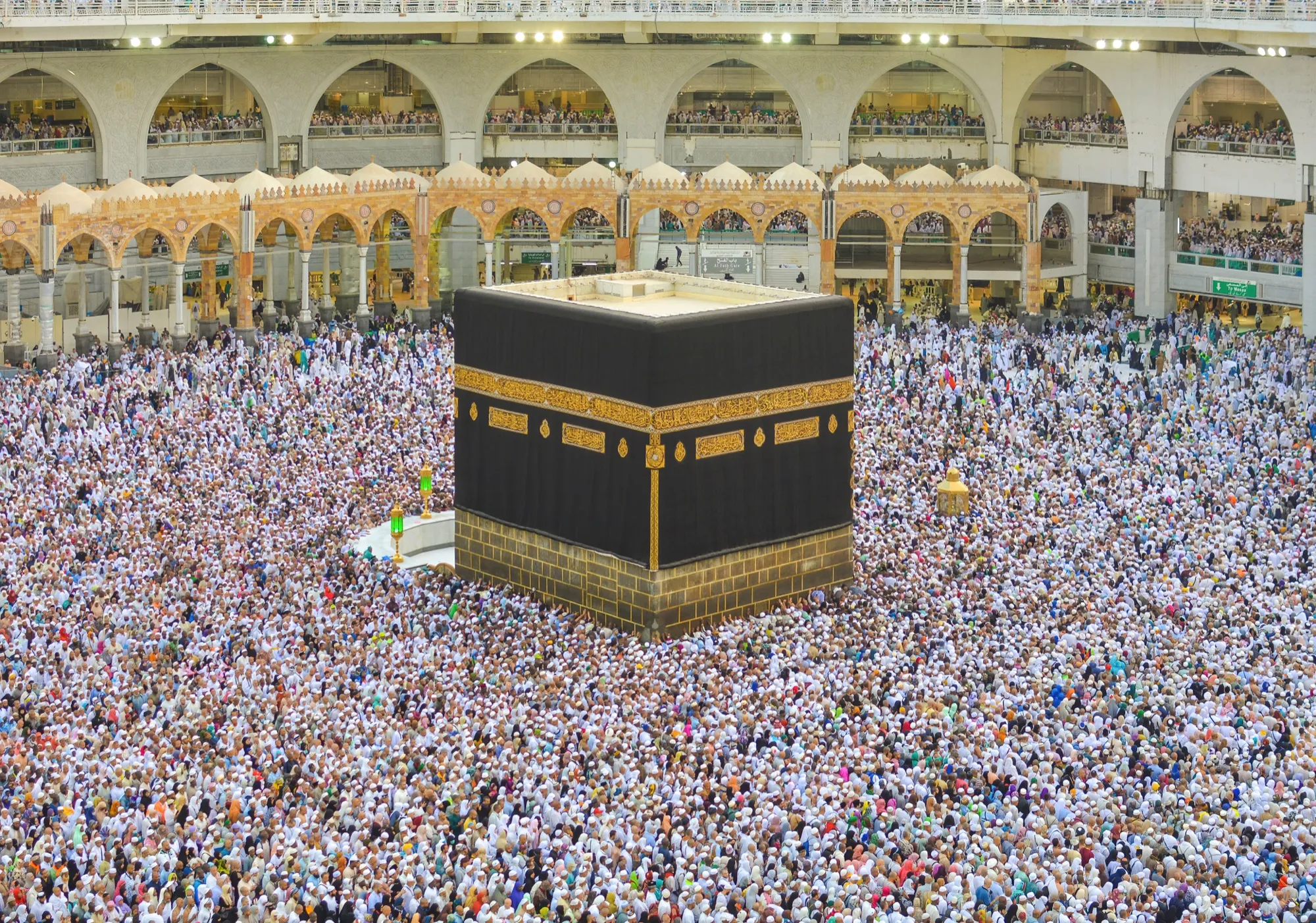
Photo: Adli Wahid, CC BY-SA 4.0.
Keep in mind whose money this is. Tabung Haji exists because pilgrims used to sell land and livestock to fund the hajj and came home with nothing. Royal Professor Ungku Abdul Aziz proposed a fund that would let them save into a Shariah-compliant pool instead, and it grew into one of the largest Islamic funds anywhere. A large share of it belongs to people in kampungs and small towns who put in a few hundred ringgit at a time and wait decades for a slot.
2. Value it at what you hope to sell it for
The first move was to change which number counted as the value of an asset. An audited value is the one an auditor has checked and signed. Your laptop cost RM5,000 four years ago, the secondhand market says it is worth RM1,200 today, so RM1,200 goes in the book. Realisable Asset Value, or RAV, is the price management reckons it could get on a sale. You think the laptop is worth RM3,000 because a friend once mentioned paying that, so RM3,000 goes in the book instead.
TH used RAV rather than audited figures when working out whether it had enough to distribute. Its defence, recorded in the report, was that the Tabung Haji Act never defined what “assets” meant, so the Act’s test could be run against any reasonable valuation. Take a plantation estate carried at RM800 million that an auditor says needs a RM300 million write-down, decide instead that palm oil prices will recover and a strategic buyer would pay RM900 million, and a RM300 million hole becomes a RM100 million gain on paper.
3. Move the line where a loss becomes a loss
The second move dealt with holdings that had already fallen. Impairment is the accounting acknowledgment that something you own is worth less than you paid. Prices move daily, so the standard sets a trigger rather than requiring constant revaluation: broadly, a decline of around 20% sustained over nine to twelve months forces a write-down. TH raised that trigger to 70% below cost, then to 85%, then to 90%, and the policy was revised twice inside the 2017 financial year alone.
At a 90% trigger, a holding can lose nine tenths of its value and still sit in the accounts at full cost. A market crash of the sort that halves share prices would not register at all. The commission found RM227.81 million of impairment across subsidiaries and associates left unrecognised, and the wider effect of the policy changes ran into billions.
4. Dividends that were declared but never arrived
The third move worked in the other direction, adding income rather than hiding losses. TH sat at the top of a group of subsidiaries. Those subsidiaries declared dividends up to the parent, and the parent booked them as investment income, which fed straight into the profit figure that justified the hibah. The RCI found TH recorded dividend income from subsidiaries where the dividend was never actually paid, so the income showed up in the accounts without any cash arriving.
Governance was thin enough that this went through. Several TH chairmen and board members appointed between 2014 and 2018 were active politicians, and the appointment criteria were loose. The minister could remove a board member without stating a reason, which matters when part of the job is objecting to things. The National Audit Department issued a clean opinion on the 2017 accounts with an emphasis of matter attached, and later acknowledged it had held back from a qualified opinion out of concern for what it would do to depositor sentiment.
5. Hibah at 8.25%, then 1.25%
The payouts were genuinely attractive. Between 2014 and 2017, hibah plus the bonus for hajj-bound depositors ran between 5.75% and 8.25% a year, which beat fixed deposits comfortably and prompted a lot of people to compare TH favourably against ASB and EPF. Deposits climbed.
Then came 1.25% for 2018, announced in April 2019 and the lowest rate TH had ever declared. Depositors who had been getting three times that could see something had gone wrong even without the report, and roughly RM4 billion left the fund, taking deposits from about RM73 billion down to RM69 billion.
This is also why the report stayed classified for four years. Publishing a document this damaging while TH was still fragile risked a bank run, where enough people withdraw at once that the fund has to dump assets into a falling market to raise cash. It was released once the position had stabilised.
6. Thirteen months of bonus in a year with no profit
Between 2010 and 2017, TH staff and executives were paid bonuses ranging from two to thirteen months of salary. In 2014 the allocation came to RM74 million, made up of eleven months of annual bonus and two months of special bonus, in a year the fund was already carrying an asset-liability deficit.
A thirteen-month bonus is defensible at an institution that earned it. What these bonuses rewarded was the paper performance produced by RAV valuations and a 90% impairment trigger. Subsidiary TH Properties paid special bonuses of RM1.148 million in 2017 and RM1.045 million in 2018 to selected board members, executive directors and staff without shareholder approval, and the commission wants that RM2.19 million recovered.
7. FGV, and thirteen more
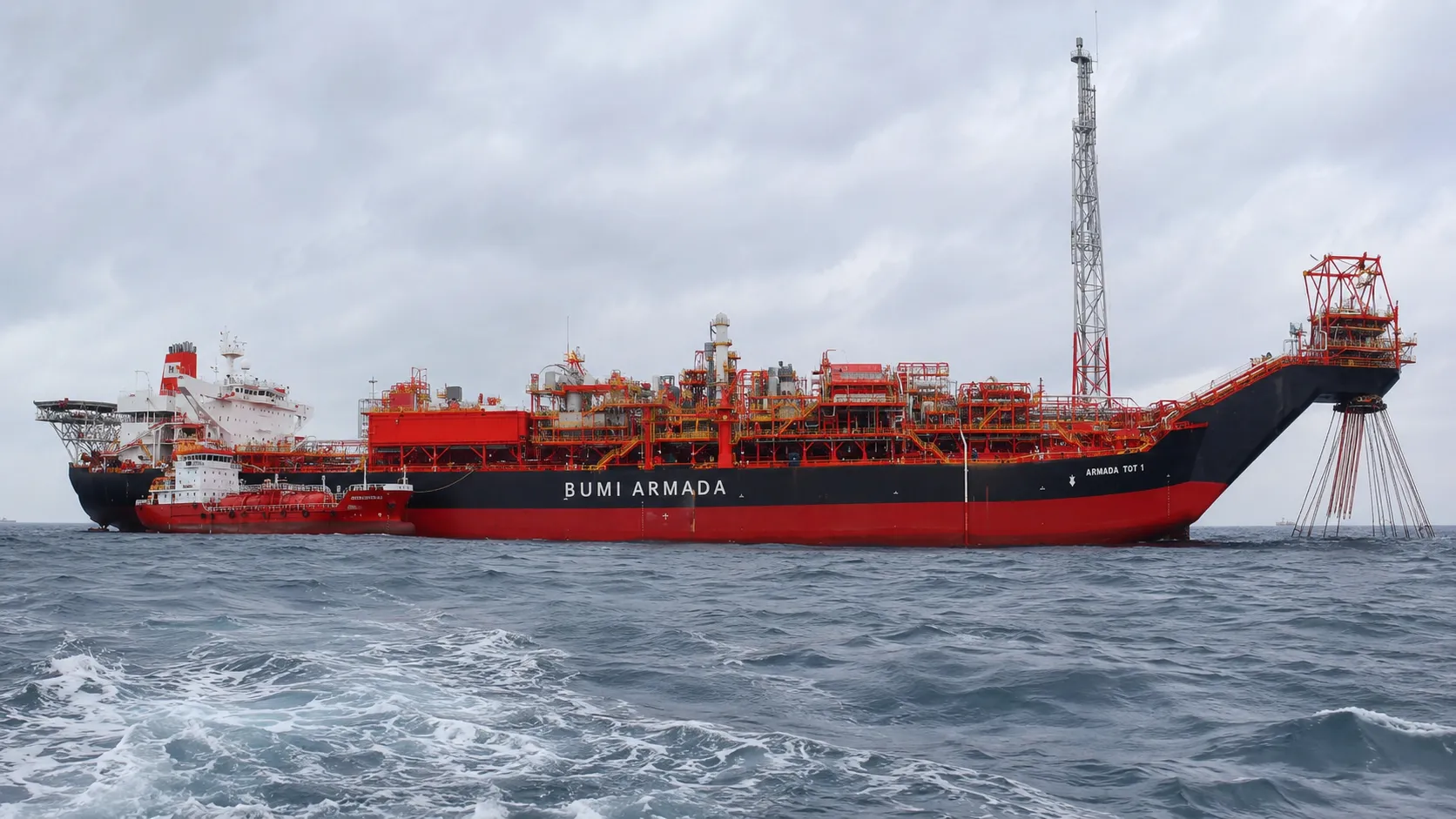
The investment side was its own disaster, and FGV Holdings is the one most people remember. Felda Global Ventures listed in 2012 in one of the largest IPOs in the world that year. TH subscribed for 273.5 million shares at RM4.58, about RM1.25 billion, then bought a further 232 million shares at RM5.01 as the price ran up. What followed was a long grind down driven by an ageing tree profile that would not yield, and the stock eventually traded below 90 sen. FELDA took the company private at RM1.30 a share and it left Bursa Malaysia on 28 August 2025, thirteen years after listing. The RCI put TH’s unrealised loss on FGV at RM1.059 billion.
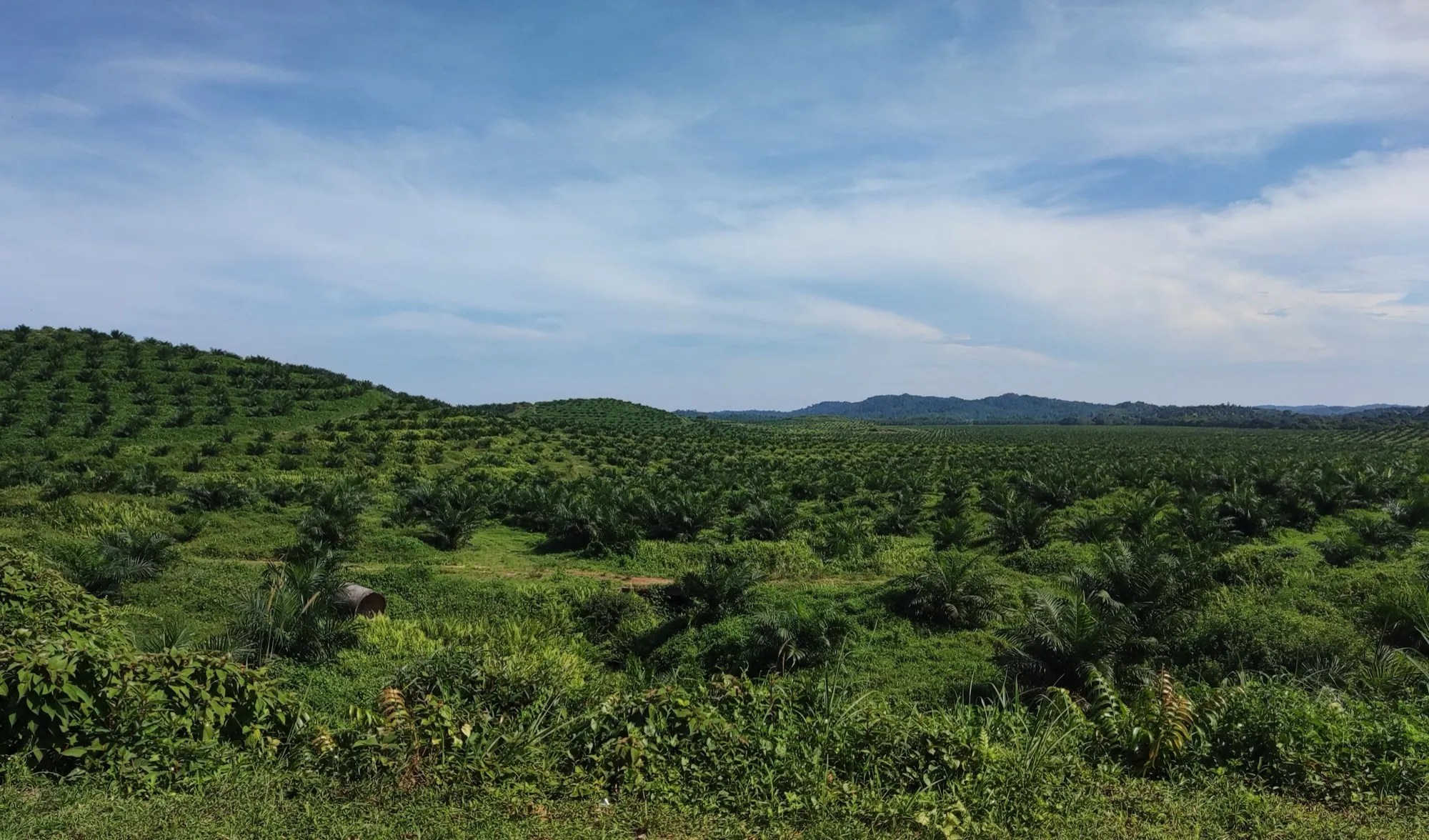
Photo: Wee Hong, CC BY-SA 4.0.
FGV was one of 14 investments the commission wants forensically audited. Trurich Resources was fully impaired at RM364.31 million. TH Plantations took a RM170 million impairment, Alam Maritim RM198 million, Putrajaya Perdana RM145.3 million, and a stake in Deru Semangat carried at RM257 million was written down to RM32 million. The timing lines up with the accounting. FGV listed in 2012 and the impairment triggers moved in 2017, by which point a write-down at the proper threshold would have been impossible to absorb.
8. Who actually paid for the rescue
On 7 December 2018 the Cabinet approved a restructuring plan, and a week later Urusharta Jamaah Sdn Bhd was incorporated as a special purpose vehicle wholly owned by the Minister of Finance Incorporated.
UJSB took 106 listed shareholdings, an unlisted plantation company and 29 properties off TH’s books. It paid RM19.9 billion, roughly what TH was carrying them at. Their market value was about RM9.7 billion. Paying RM19.9 billion for assets worth RM9.7 billion is what let TH avoid booking a RM10.2 billion loss, and the loss went onto the books of a company the government owns.
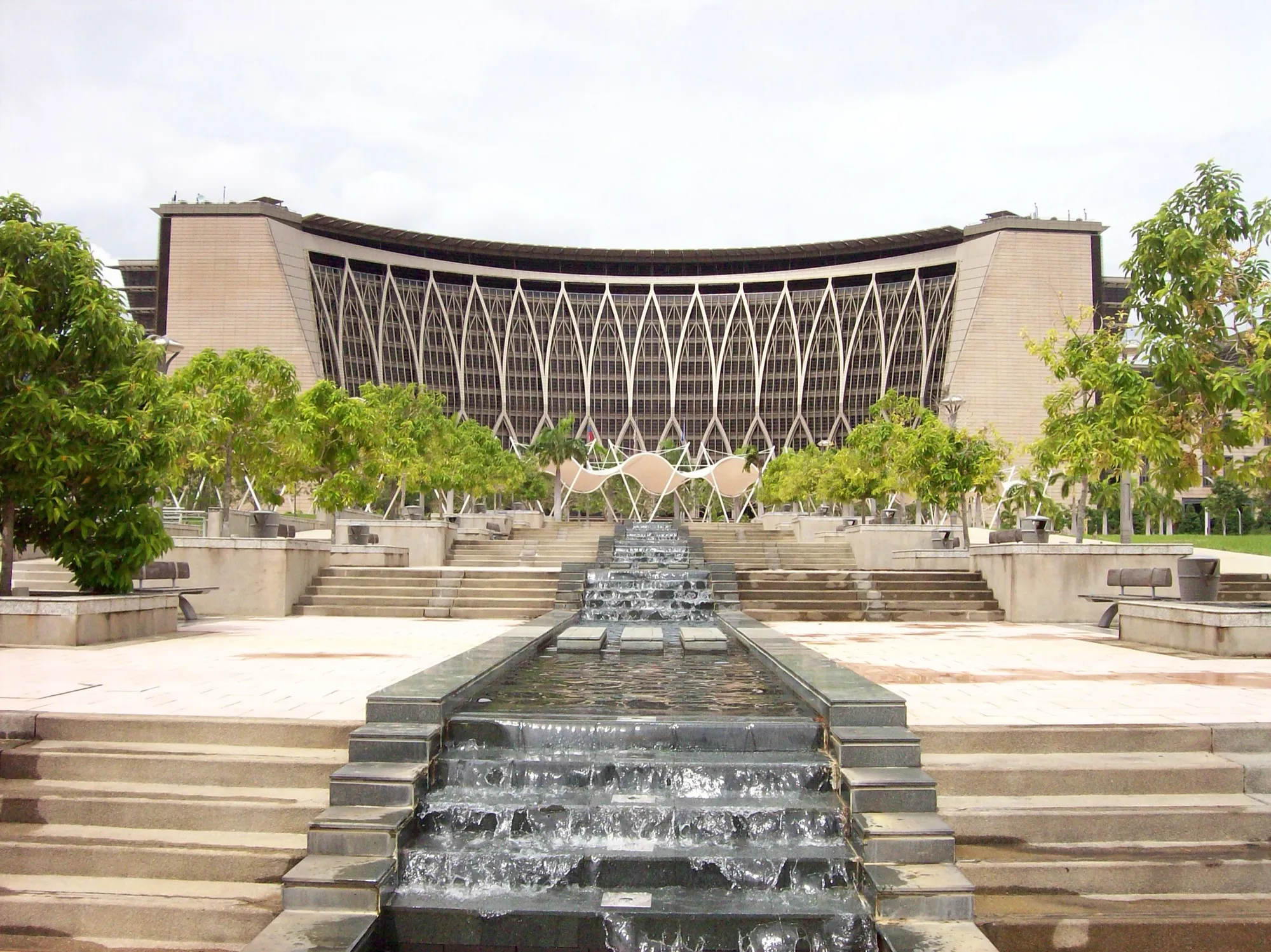
Photo: Philip Nalangan, CC BY 4.0.
The funding came from RM19.6 billion of zero-coupon sukuk, RM10 billion over seven years at a 4.05% yield and RM9.6 billion over ten years at 4.10%, plus RM300 million in cash. Investors put up the money now and get paid at maturity. Redeeming it needs roughly RM1.73 billion a year of government allocation across successive Malaysia Plans, and RM17.8 billion was approved in April 2019 to cover the shortfall. That allocation comes out of tax revenue, so the cost sits with everybody who pays tax in Malaysia, TH account or not.
9. What has changed since
The recovery is real. Distributions have climbed back to 3.25% for 2024 and 3.50% for 2025. TH says its recovery plan has addressed RM12.6 billion of investment losses, about RM10 billion under the 2018 restructuring and RM2.6 billion recognised through to the end of 2025. Abdul Rashid Hussain, who sat on the commission that investigated all this, became TH chairman in December 2023 and has had his term extended to 2027.
The RCI’s recommendations go at the structure rather than the individuals. Active politicians are to be barred from the board and the chairmanship, appointments need competency criteria, and a minister who wants to remove a board member has to give a reason. Ministerial oversight gets split, with religious affairs running the hajj and finance running the fund. The National Audit Department is replaced by a private audit firm to take out the conflict of interest, and distributions are calculated from audited annual accounts rather than proforma figures, something TH says it has done since 2022. The minimum deposit for automatic hajj registration goes from RM1,300 to RM12,980, which the commission projected would cut the notional queue from around 130 years to 33.
Around three quarters of the recommendations have been implemented. What has not happened is any prosecution. The report records four police reports and six MACC referrals over the period, none of which produced a charge, and five executives disciplined internally with the penalties later reduced to demotions. MACC formed a special task force on 30 July 2026 to work through the legal issues in the report.
What to actually do with this
- Read the accounting policy notes, not only the headline return. The impairment trigger and the valuation basis are disclosed. If a fund changes either one, find out why.
- Ask where a distribution came from. A payout funded by realised profit and one funded by a revaluation look identical on your statement.
- Treat an unusually high return as a question rather than a reason to add money. TH paid above 8% in 2014 and 2015 while its liabilities already exceeded its assets.
- Do not assume a clean audit opinion means all is well. The National Audit Department signed off on 2017 and later admitted it had softened its position over what a qualified opinion would do to depositors.
- Check who sits on the board of anything holding your savings, and how they got there. Political appointments and a minister who could remove members without cause are what allowed the rest of this to happen.
- Do not panic-withdraw from TH now. The fund is in a far stronger position than it was in 2018, deposits are government-guaranteed, and the findings concern conduct that ended years ago.
Most of this was legal, or at least arguable. Nobody needed to move cash into a personal account. Choosing a friendlier valuation basis, shifting an impairment trigger and booking a dividend that was declared but never paid were enough to turn a RM1.4 billion loss into a RM3.4 billion profit, and the bill landed on depositors first and taxpayers second. The whole point of governance rules is to make those three decisions difficult, and at TH there was nobody in the way.
The full RCI report is public now, and it is worth going through if you want the detail behind any of the 14 investments. If you would rather have the money stories that matter in Malaysia arrive in your inbox each morning, The Coffee Break is our free daily newsletter.