How Uniqlo Took Over Your Wardrobe
Uniqlo built a $17.7 billion business selling plain basics while breaking almost every fast fashion rule. Here is how it ended up in your wardrobe.
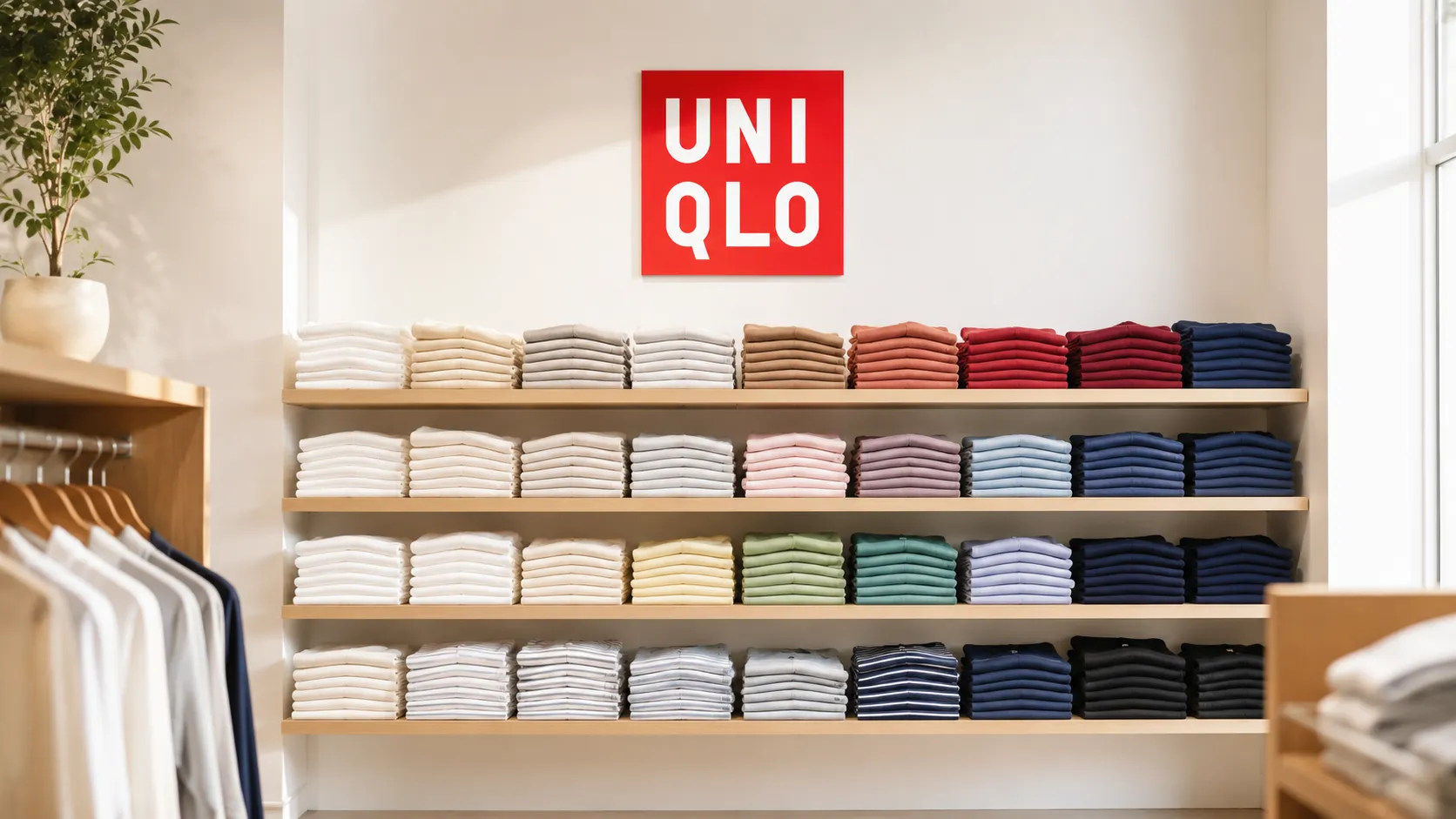
Look around a Malaysian office, or an LRT carriage, or a mamak on a Saturday morning. All those plain, well-cut t-shirts and easy light jackets. A lot of them are Uniqlo, and half the time you cannot tell until someone bends over and you spot the tag.
The Japanese brand feels like it appeared overnight and quietly took the place over. Men wear it like a uniform. Plenty of women call it the unofficial national boyfriend outfit. For something this ordinary, Uniqlo’s parent company, Fast Retailing, has built a brand worth about $17.7 billion heading into 2026. It got there by breaking almost every rule fast fashion is supposed to run on.
1. A supermarket for clothes
Uniqlo began as the opposite of cheap and fast. In 1949 it was Ogori Shoji, a small men’s tailoring shop in post-war Japan, the sort of place where a suit took weeks and cost a fortune because a tailor measured every inch of you by hand. The founder’s son, Tadashi Yanai, spent a year at a supermarket chain called Jusco before joining the family trade, and two things there stuck with him: customers liked serving themselves, and he could never see why his boss made him wear a suit to do a job the suit had nothing to do with.
A trip to the United States turned those hunches into a plan. Yanai watched Gap and Benetton sell simple, casual clothes that students loved, clothes you could just pull off a shelf and pay for. He came home with a contrarian idea: forget high-margin suits made for a few people, and sell cheap, well-made basics to everyone with the efficiency of a supermarket.
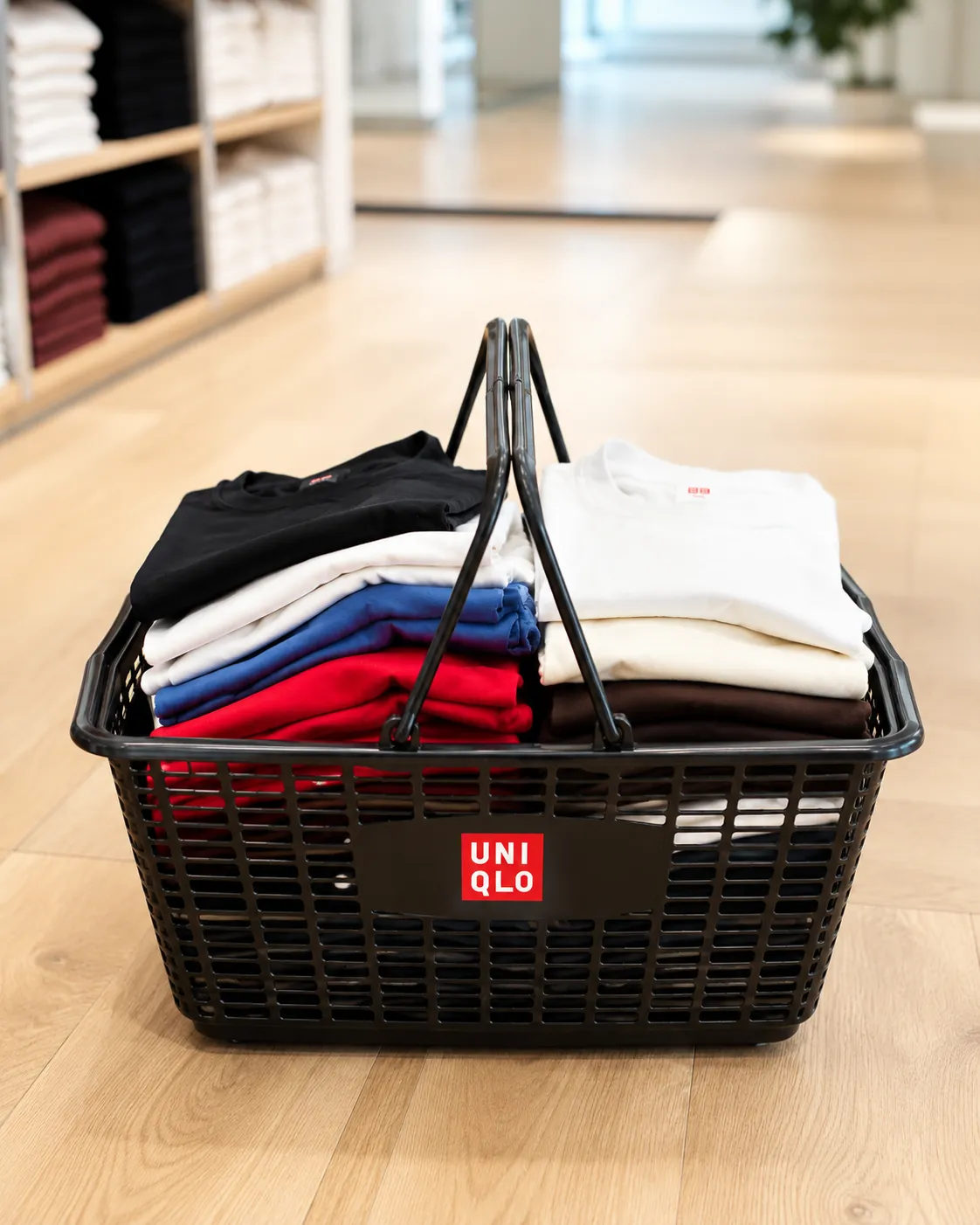
In 1984 he opened the first Unique Clothing Warehouse in Hiroshima. Thirty thousand garments, most priced between 1,000 and 1,900 yen, grab a basket and help yourself. It worked so well that Yanai went on local radio to ask people to stop coming, because the store could not cope with the crowds. The name we know was an accident. In 1988, a staff member registering a Hong Kong venture misread a C as a Q, and Uniqlo was born. Yanai decided the Q looked better, kept it, changed the signage across Japan, and renamed the parent company Fast Retailing. The name was a nod to the fast-food model he wanted to copy, where clothes would be sold at the same speed and low cost as a burger meal.
2. Built for the recession nobody wanted
The timing looks like luck, but it was mostly positioning. Through the 1980s Japan was in a bubble. Cheap money pushed people into stocks and land, prices went berserk, and at the peak the plot under Tokyo’s Imperial Palace was reckoned to be worth more than the entire state of California. Status was the whole game, and a visible designer logo was how you played it. Then in 1989 the music stopped. The stock market shed around $2 trillion in a single year and property fell by roughly 80%.
Picture a father who borrowed 90 million yen for a home now worth 40 million, still owing the bank the full amount, unable to sell and unable to move. Multiply that across a country and you get Japan’s lost decade. Almost overnight the national mood flipped from showing off to getting by, and nobody stuck with a shaky job and a heavy mortgage was buying a $2,000 power suit.
Uniqlo was already sitting where those people were heading. It had put its stores out in the suburbs to keep rent low, which kept the clothes cheap. The clever part was that cheap did not feel cheap. Solid, comfortable basics gave squeezed families a bit of dignity at a rough time. In 1993, while rivals clung to the Made in Japan label, Yanai moved almost all production to China. It read as a betrayal then, and it was the only way to hold prices down without letting the quality slip. By 1994 Uniqlo had 100 stores, growing while much of the country was still struggling.
3. Killing the shame with a wall of fleece
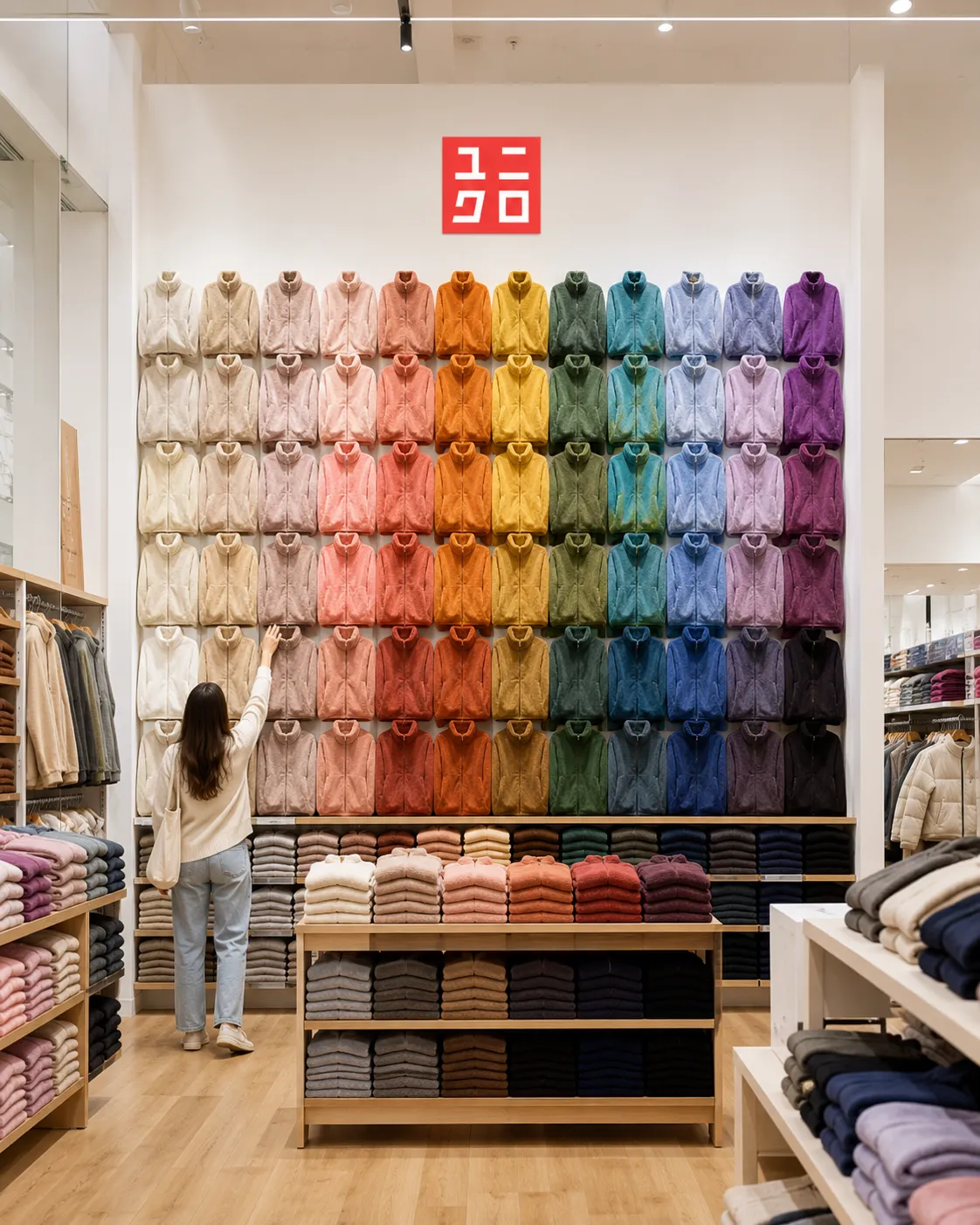
Growth did not buy respect. For years Uniqlo carried a stigma, and there was even a slang word for it in Japanese, “uni-bare”, meaning you had been caught in the cheap stuff. Get spotted wearing it at the wrong party and it was a small humiliation. In 1998 Yanai decided to tackle the shame head-on. He opened a big glass-fronted store right in Harajuku, the centre of Tokyo youth fashion, and led with an unlikely weapon: the fleece jacket.
Back then fleece was gear you paid $50 to $100 for, sold as premium outdoor kit. Uniqlo engineered its own version, priced it at 1,900 yen, about $15, and stacked it in 50 colours from floor to ceiling like a paint chart. Owning one stopped being a sign you were broke. People started collecting them, colour by colour. By the end of 2000 it had sold around 26 million fleece jackets in a single season. Japan had about 120 million people, so roughly one in four of them bought one.
That is the moment the class signal fell apart. A billionaire chief executive and the janitor cleaning his office could be wearing the exact same $15 fleece, and often were. For a while, the old idea that your clothes fixed your place in society simply stopped holding.
4. One design, a hundred thousand times
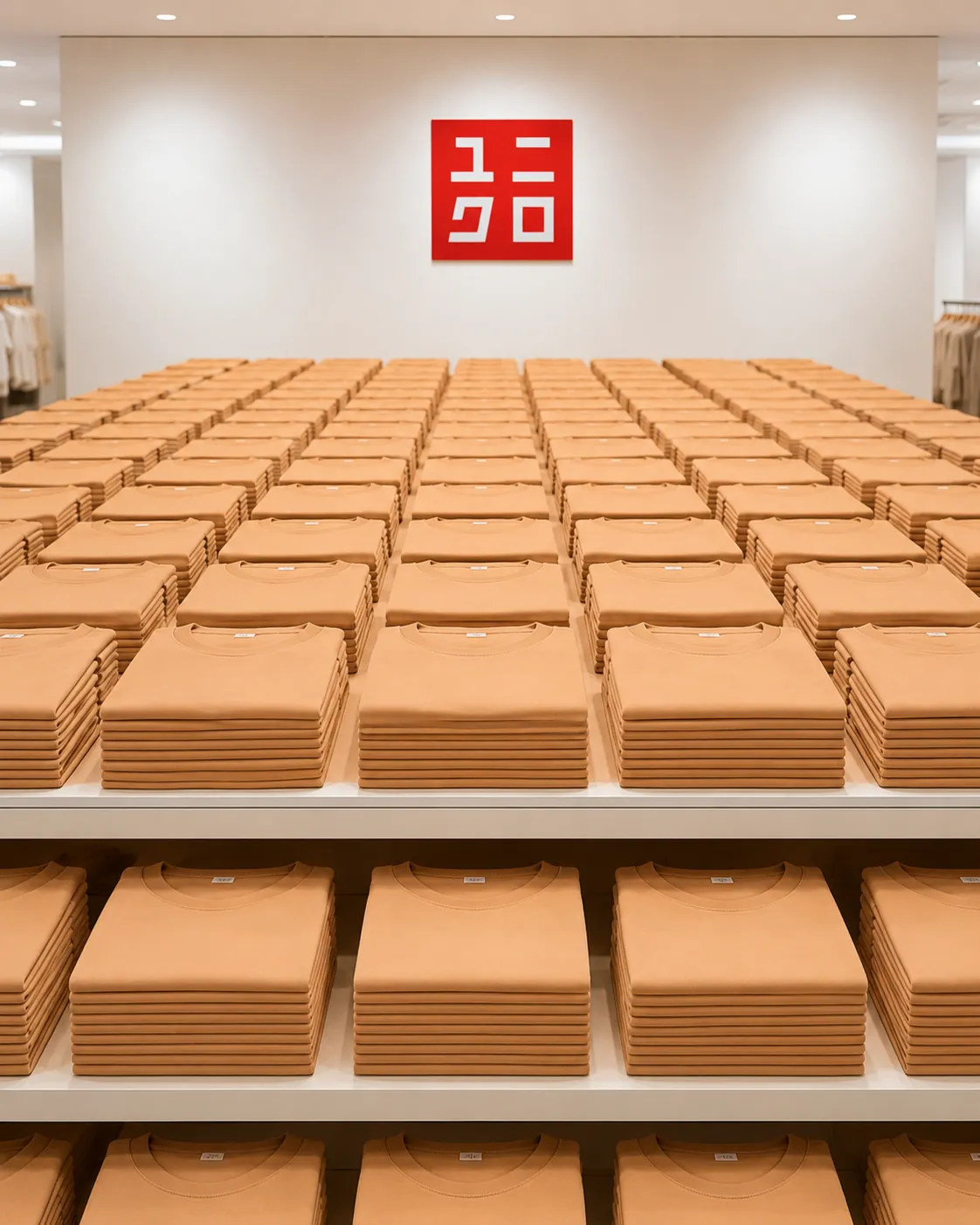
Underneath the story is a boring but very effective machine. Uniqlo runs on the SPA model, short for Specialty store retailer of Private label Apparel, which is a long way of saying it controls the whole chain itself: design, fabric, factories and shop floor, with the middlemen cut out. The bigger difference is what it does with time. A brand like Zara chases trends, churning out something like 10,000 disposable new items a year and racing to copy whatever is hot this week.
Uniqlo goes the other way. It works on a slow, deliberate 12-month cycle and makes what it calls LifeWear, the plain building blocks of a wardrobe you need whatever the season is doing. Where Zara might make a thousand different t-shirts a year, each in a spread of sizes and a nightmare to produce, Uniqlo makes one good design and then makes 100,000 of it.
That is where the low price comes from. Make the same garment in enormous volume and the cost per piece drops hard. In practice it runs more like an engineering firm than a clothing brand.
5. A technology company that happens to sell shirts
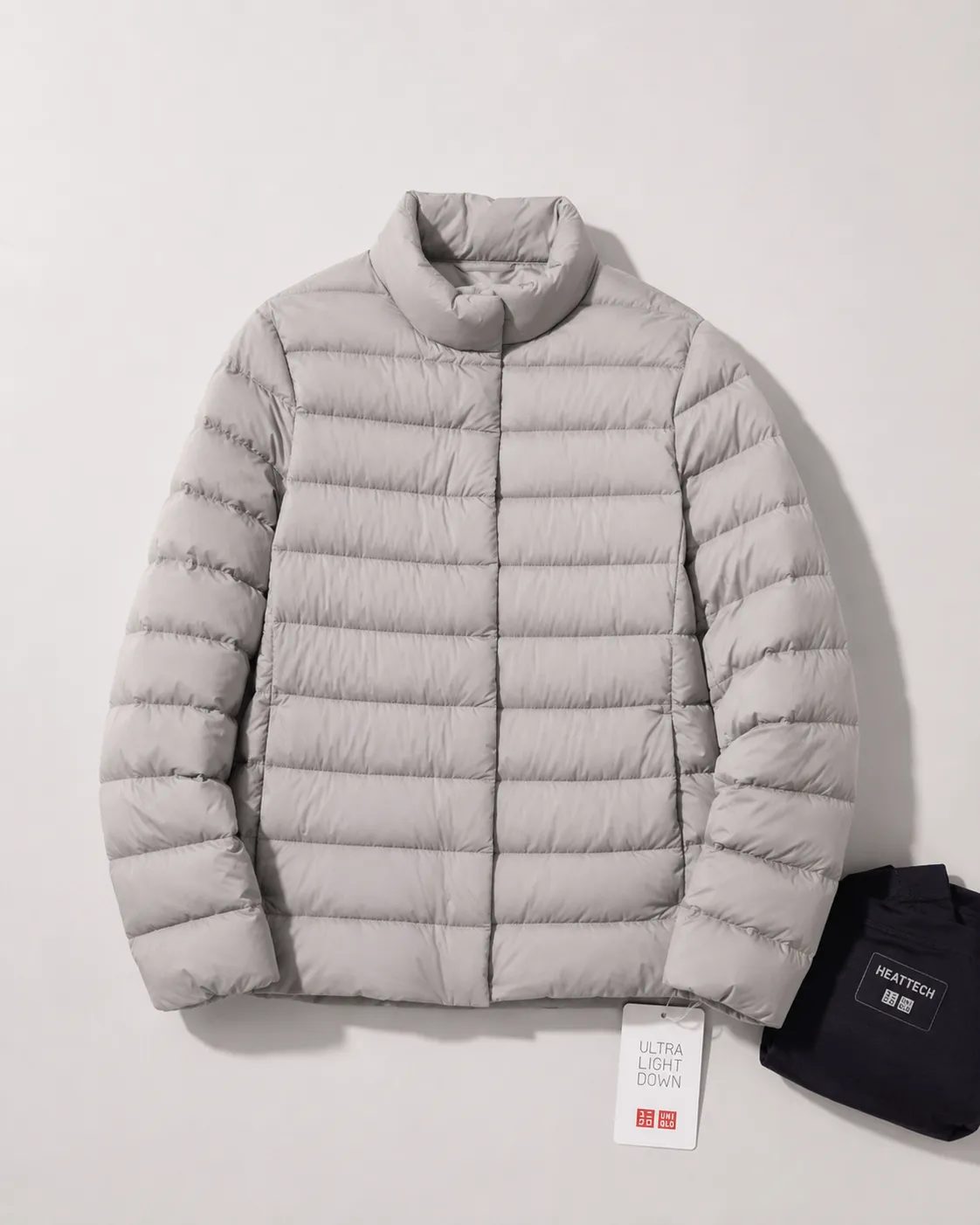
Yanai says it plainly: Uniqlo is not a fashion company, it is a technology company. While rivals spent millions on runway shows, Uniqlo signed a multi-billion dollar partnership with Toray, a Japanese materials giant better known for carbon fibre and industrial chemicals, and started engineering fabric at the molecular level. The clearest result is HeatTech, launched in 2003, a thin fabric that skips bulk entirely. It blends four fibres, each about a tenth the thickness of a human hair, that trap the moisture your body gives off and turn it into warmth.
HeatTech has since sold more than 1.5 billion units worldwide. For the tropics Uniqlo built the mirror image, AIRism, using ultrafine fibres that pull sweat off your skin and dry it about twice as fast as cotton, which is the difference between surviving a KL afternoon and giving up on it. Then there is the Ultra Light Down jacket, made with a Toray weave so tight the feathers cannot poke through, light enough at around 200 grams to roll into a pouch and forget in your bag.
None of that is fashion in the runway sense. It is closer to product engineering, and it is why a plain Uniqlo layer often outperforms clothes that cost a lot more.
6. The London disaster that made it cool
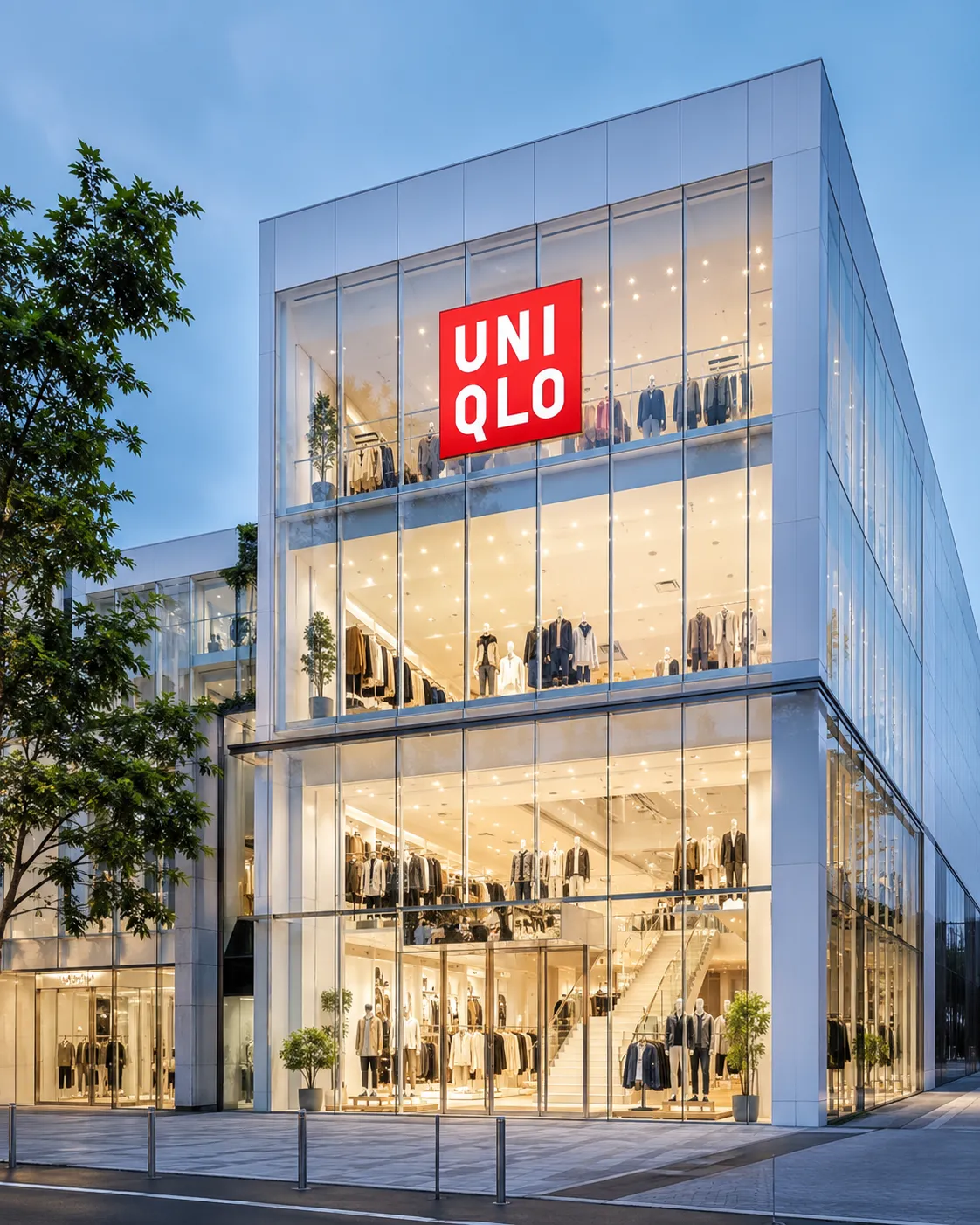
The rise was not a straight line. In 2001 Uniqlo charged into the UK, opening 21 stores in 18 months and landing in a few New Jersey malls on the way. It was a train wreck. To Western shoppers it was too plain to be fashion and not cheap enough to beat Primark, while Zara and H&M already owned trendy. The clothes were cut for Japanese bodies and did not fit. Within two years Uniqlo shut 16 of its London stores and every New Jersey location, the share price sank, and investors started muttering that it was a one-hit wonder that only worked at home.
The failure taught Yanai something important. To win abroad, a Uniqlo store had to become a destination people made a trip to visit. So it stopped hiding in cheap suburbs. It hired the designer Kashiwa Sato, who rebuilt the logo to look like a traditional Japanese hanko stamp in a bold Uniqlo red. In 2006 it poured $20 million into a 36,000 square foot flagship in Soho, New York, all glass and spinning mannequins, and flew in 100 Takumi masters from Japan to drill the local staff on service.
Then in 2009 it pulled off one of the smartest collaborations in fashion. It brought in Jil Sander, the queen of minimalism, whose own designs sold for around $2,000, to teach its factories the tricks of high fashion, down to shifting a seam two millimetres so a jacket makes you look taller. The +J collection put that sophistication on the rack for about $150, and Vogue editors ended up queuing next to teenagers. The brand once written off as cheap had become something people wanted to wear.
7. How it took over the Malaysian wardrobe
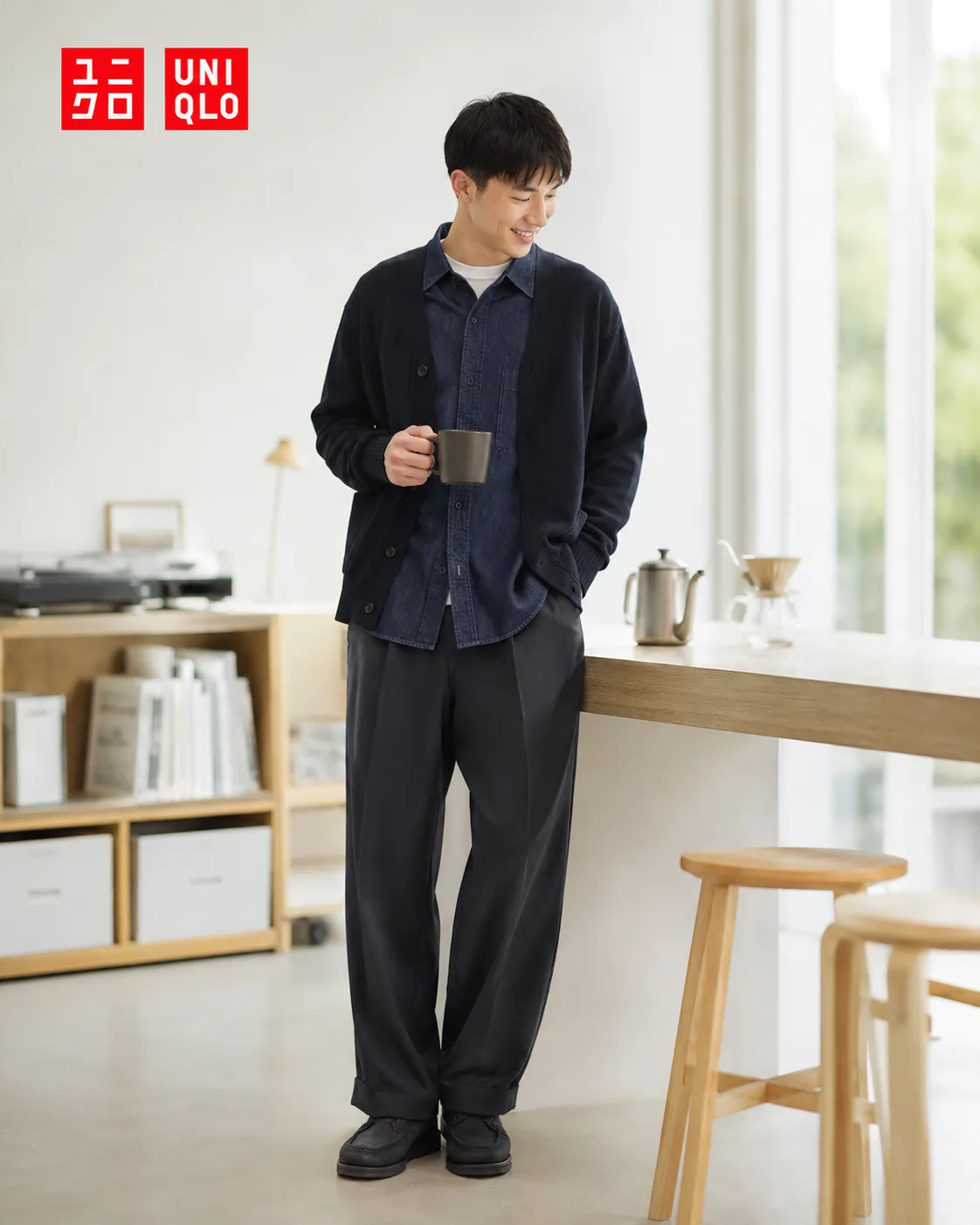
By the time Uniqlo reached Malaysia in 2010, the formula was complete, and it fit here almost too well. It was one of the few places you could get a proper office jacket for RM200 to RM300, and a t-shirt for around RM60, a bit more than a pasar malam stall or a Padini rack, but good enough that you wore it far longer. The maths was easy: pay a little more, wear it many more times. Before long it was everywhere, and now it is part of the local uniform.
The experience travels intact because Uniqlo engineers that too. It imported Kaizen, the idea of relentlessly chasing small improvements. The bright white lights and uncluttered aisles are designed to feel calm when the mall outside is chaos. Staff train for up to three months on interactions that run like a ritual, down to handing back your card with both hands and eye contact, and working through a set of six standard phrases. It listens hard as well. The soft souffle-yarn knitwear exists because customers kept complaining that normal sweaters were itchy, so Uniqlo engineered the itch out, and the RFID bins that read your whole basket at once come from the same instinct to strip out friction.
It also bothers to act local. The UT t-shirt line works with local artists, campaigns feature local faces, and in Malaysia there is an AIRism hijab range, a small signal that the giant actually sees you. Today Uniqlo runs more than 2,500 stores across 25 markets, holding the same Japanese standards while adjusting to fit each local market.
What to actually do with this
You do not have to run a business to use what Uniqlo worked out. Whether you are shopping or building something of your own, a few of its rules carry over:
- Buy for cost per wear, not the price on the tag. A RM60 t-shirt you wear a hundred times is cheaper than a RM25 one you wear five times and bin. Basics that outlast the price gap are the whole Uniqlo pitch.
- Compete where nobody else is looking. Uniqlo could not out-trend Zara, so it fought on fabric and operations instead and won a battle its rivals were not even having.
- Own the parts that decide your quality and price. Controlling everything from design to the shelf is why it could keep clothes cheap without making them feel cheap.
- Deal with your weak spot in public. The fleece wall beat the cheap-brand stigma by leaning straight into it.
- Boring and repeatable can win. One good design made 100,000 times, sold for years, will quietly outlast a thousand clever ones.
Uniqlo did not win by predicting fashion. It refused to play that game and wrote its own rules: it set the trend rather than chasing it, and made a single design a hundred thousand times over instead of endlessly churning out new ones. The money went into fabric and service instead of logos and runway shows. That is how a company built on plain t-shirts is worth $17.7 billion, and why so much of what you are wearing right now probably came from the same quiet Japanese shop. Next time you reach for a basic, do the cost-per-wear sum before you check the price. That is the habit Uniqlo has been banking on for forty years.